How this can affect daily life
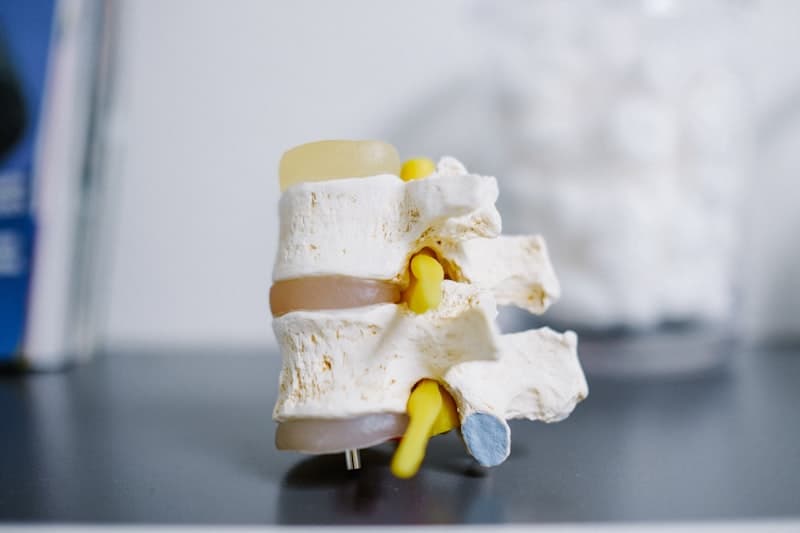
Disc Herniation can affect comfort, mobility, balance, energy, and confidence with daily tasks. Most herniated discs shrink on their own. Staying active, with the right movements, is usually the plan. Surgery is not the default. When symptoms begin to change how someone moves, cares for themselves, or manages routines, therapy can help identify practical next steps.
When it may be time to schedule an evaluation
If pain, weakness, dizziness, or stiffness is affecting safety, mobility, or independence.
If walking, stairs, transfers, bathing, cooking, or other daily activities are becoming harder to manage.
If you want a clear plan to rebuild function, prevent setbacks, and feel safer at home.
What a care plan may include
Postural training
core strengthening
body mechanics education
pain management
Therapies that may be part of the plan
A herniated disc isn't a life sentence
The word sounds permanent, and that framing does real harm. In practice, most herniated discs shrink over time on their own. Symptoms commonly resolve over weeks to a few months without surgery. Repeat imaging often shows the herniation shrinking while the person gets better.
Knowing this changes how people behave. Those who understand the disc can recover tend to stay active, and staying active is itself one of the strongest predictors of getting better.
Why the pain moves around
Symptoms often shift. Down the leg one week, concentrated in the back the next. Pain moving toward the spine and away from the foot is usually a sign of improvement, even before the pain score drops. Therapists watch this pattern closely, because it tells you whether the plan is working before the numbers do.
What treatment looks like
Directional preference exercises come first. Finding the specific movements that ease the leg symptoms, then repeating them often through the day. Alongside that, hip and trunk strengthening, walking tolerance, and technique for the tasks that load the spine. Getting out of a low car. Lifting a laundry basket. Reaching into a chest freezer in the garage.
Because we work in your home, we can adjust the specific chair, bed, and car seat you can't avoid, instead of giving general advice about them.
Urgent symptoms
Loss of bladder or bowel control, numbness in the saddle region, or a leg that's getting progressively weaker needs immediate medical assessment, not therapy.
Related conditions
If you are comparing similar symptoms or nearby diagnoses, these pages can help you understand related treatment options.
Bulging Discs
A bulging disc on an MRI is common after 50, even with no pain. We treat what your back actually does, not the scare on the scan report.
Degenerative Disc Disease
Degenerative disc disease is a poor name for normal aging. Pain usually tracks with sitting, bending, and quiet weeks, which you can change.
Headaches
Therapy helps neck-driven headaches, desk-and-drive tension, and the neck piece of migraine. Sudden or different headaches belong with a physician.
Related articles
Practical information from our team to help you better understand this condition and treatment options.
Does Medicare Cover In-Home Occupational Therapy in Arizona?
August 18, 2026
Yes, and you probably don't need to be homebound to get it. Here's how Medicare Part B, home health, and Medicare Advantage differ for Arizona families.
Complex Regional Pain Syndrome (CRPS): When Your Nervous System Gets Its Wires Crossed
August 8, 2025
Complex Regional Pain Syndrome is a challenging pain condition often triggered by minor injuries, leading to disproportionate pain due to a malfunctioning nervous system. Learn about evidence-based management strategies including graded motor imagery and desensitization therapy.