Neurological
ADHD
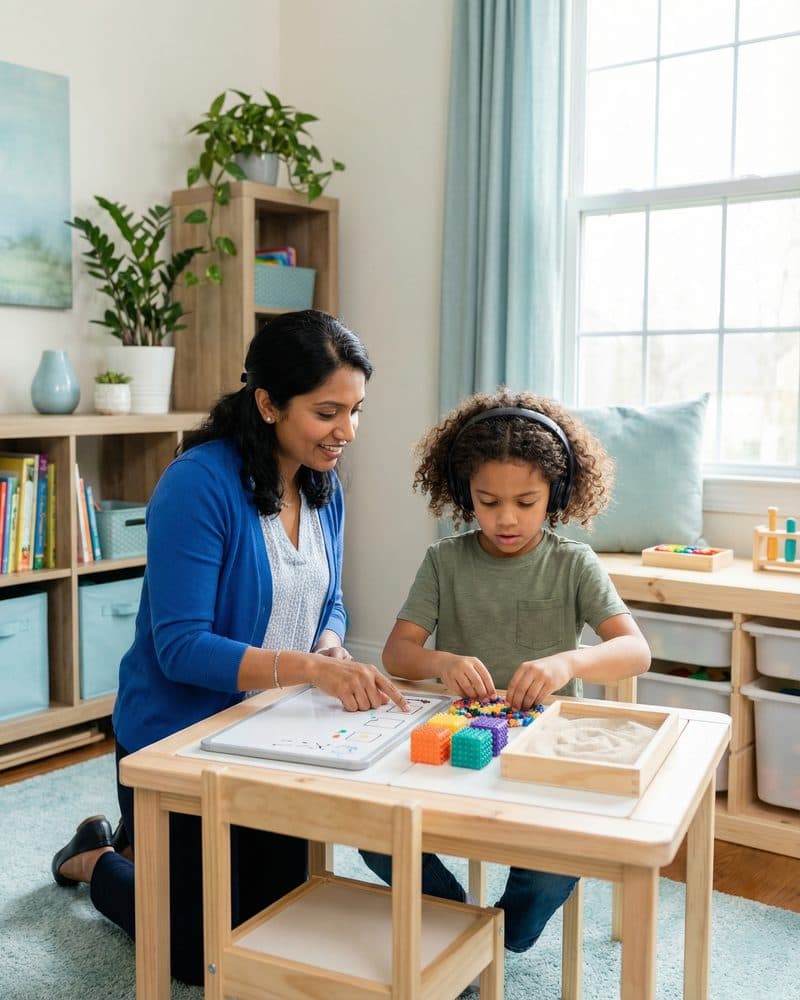
Kids with ADHD often know the steps. Starting them, sequencing them, and getting out the door is the hard part. We build that at home.
OTSpeech
In-home occupational therapy and physical therapy for a wide range of conditions.
64 conditions shown
Kids with ADHD often know the steps. Starting them, sequencing them, and getting out the door is the hard part. We build that at home.
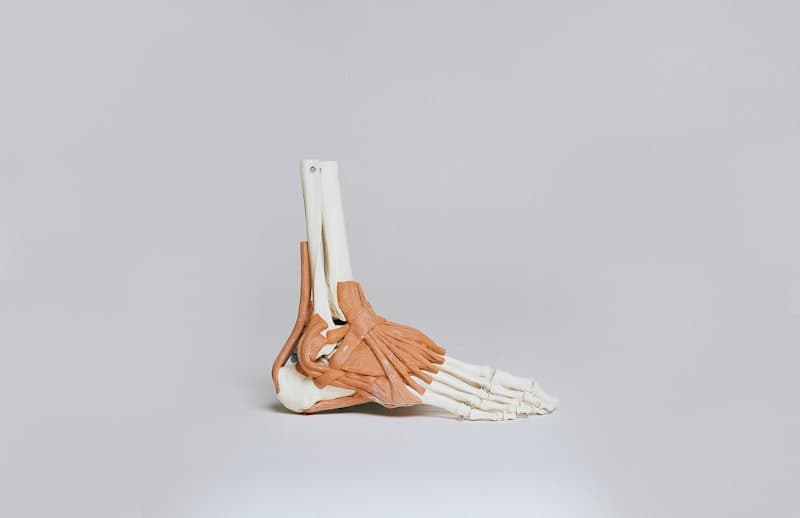
Most ankle sprains heal. The balance your ankle lost often does not. In-home rehab retrains it on the driveway, gravel, and curbs you actually walk.
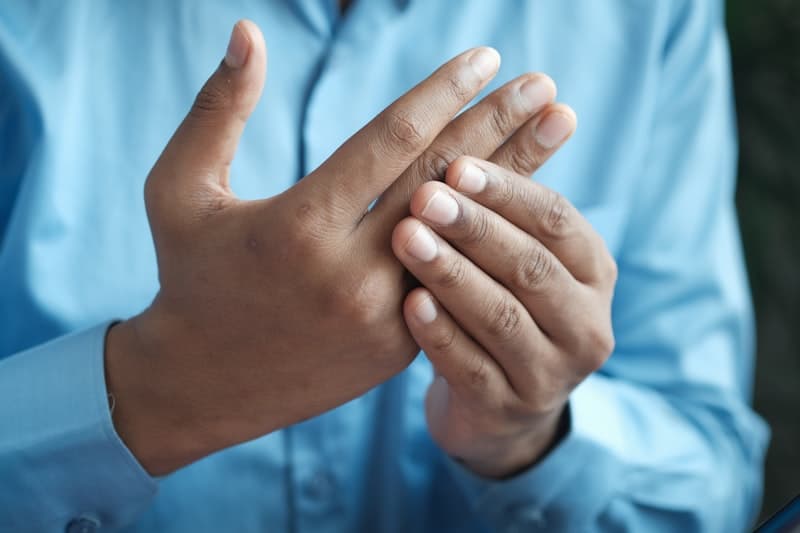
Moving less when a joint hurts usually backfires. In-home therapy finds the right daily dose of movement so arthritis pain doesn't run the day.
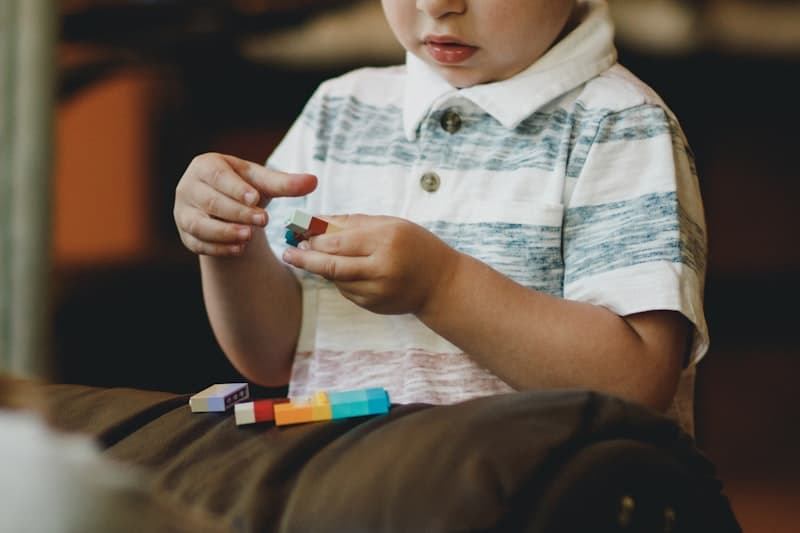
OT for autistic children builds the skills that make a day work: dressing, meals, sleep, transitions. We do that work in your home, not a waiting room.
Dizziness and unsteadiness drain a whole day. We find whether the inner ear, eyes, or legs are off, then train balance on your own floors.

When one side of the face stops moving overnight, we protect the eye first, then retrain the nerve-to-muscle connection as it heals.
A bulging disc on an MRI is common after 50, even with no pain. We treat what your back actually does, not the scare on the scan report.

Bursitis turns ordinary motion, reaching overhead, rolling in bed, sitting too long, into a flare. We find the daily trigger and change it.
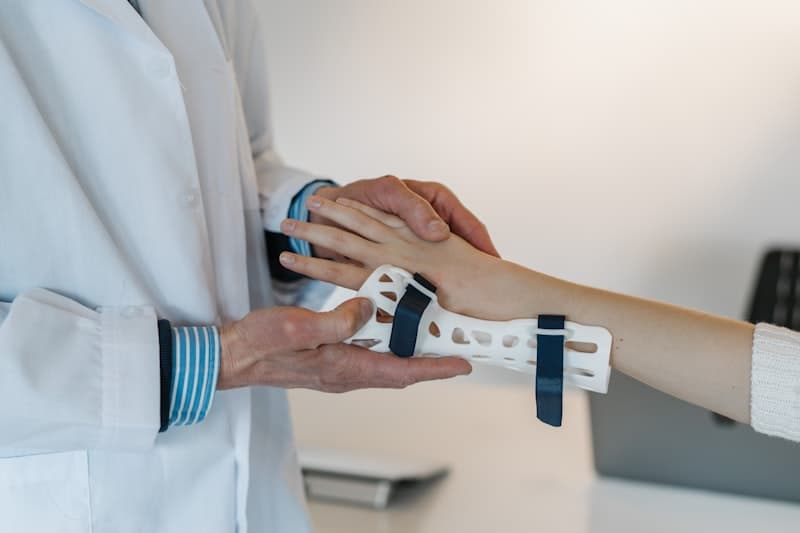
Night numbness in the thumb and first fingers is usually the median nerve, not a simple wrist sprain. A night splint is often the first real fix.
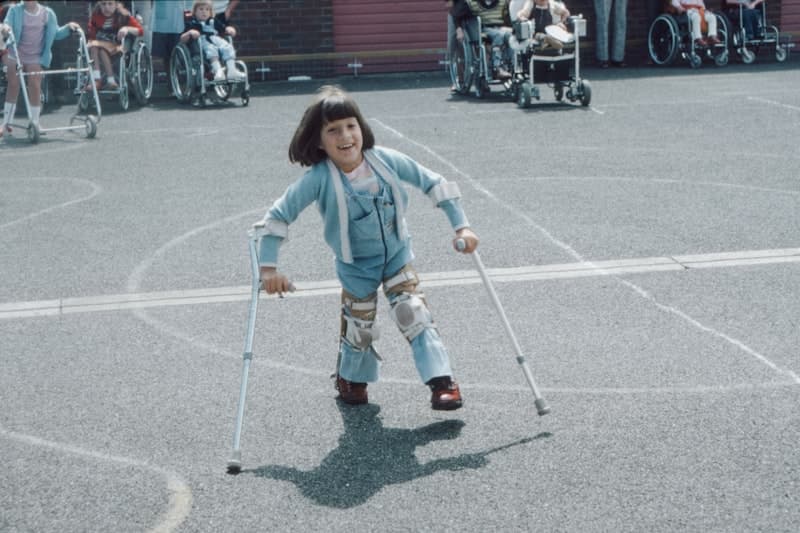
No two children with CP move the same way. We build the plan around what your child can do today, in the house they actually live in.

A weak core shows up as back pain, poor balance, and fatigue, not just a soft midsection. We train it for your kitchen, car, and stairs.
Degenerative disc disease is a poor name for normal aging. Pain usually tracks with sitting, bending, and quiet weeks, which you can change.

A delay is not a life sentence. Early, play-based therapy in your home gives a child the best shot at catching up during the years that count.
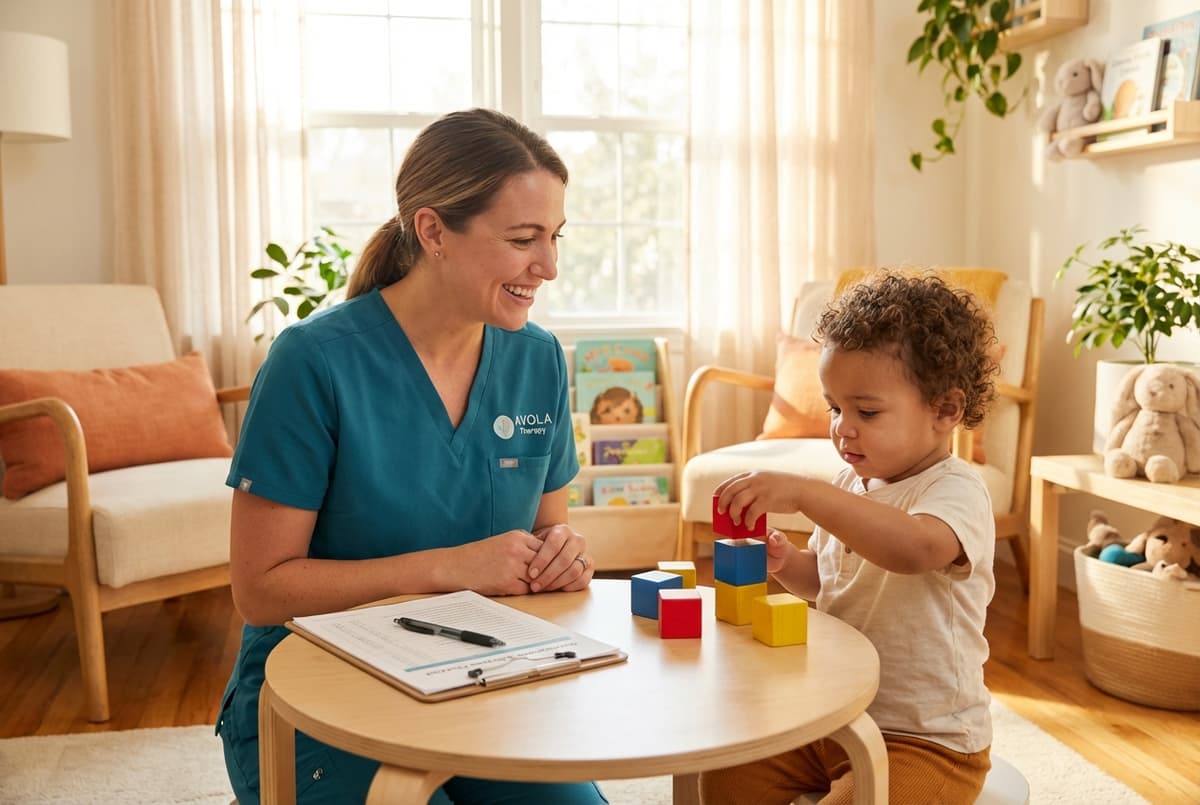
Not sure if it's a phase? A free developmental screening checks fine motor, sensory, self-care, and school-readiness skills from home.

Walking trouble is rarely one thing. Pain, weakness, balance, and fear stack up. We rebuild the walk you use at 2am, not a hallway lap.
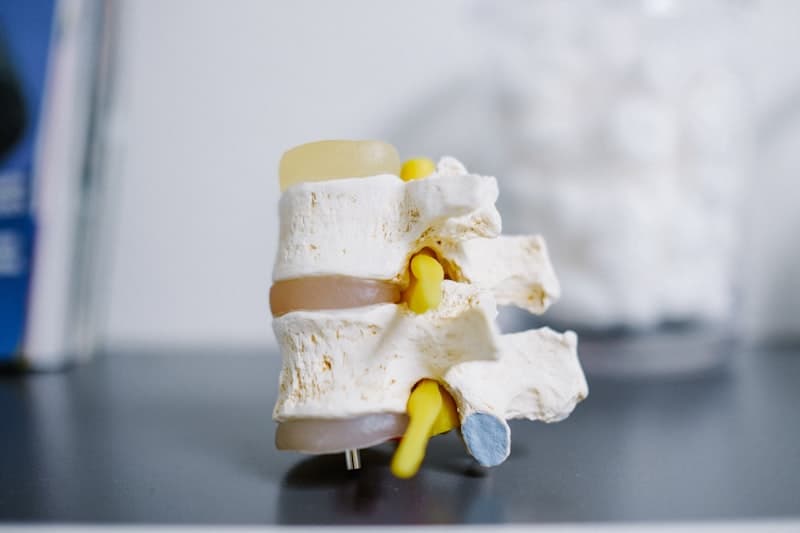
Most herniated discs shrink on their own. Staying active, with the right movements, is usually the plan. Surgery is not the default.

Kids with Down syndrome often learn visually and socially first. We use those strengths to build hand skills, self-care, and play at home.
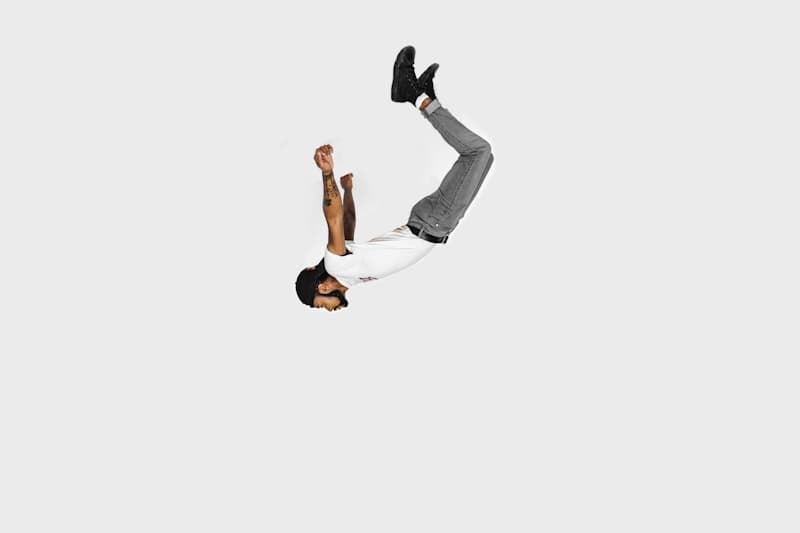
In Sun City, Surprise, and Peoria, a fall is what most often ends independent living. We assess your actual house, then train strength and balance there.

Gagging, food refusal, and meals that end in tears are not ordinary picky eating. We find the cause and rebuild mealtime at your table.
A hospital stay can cost more strength than people expect. We rebuild stamina for showering, dressing, and cooking, not a gym score.

Messy handwriting is often weak hands, an awkward grasp, or eye-hand trouble, not laziness. We fix the cause so schoolwork can keep up.
Therapy helps neck-driven headaches, desk-and-drive tension, and the neck piece of migraine. Sudden or different headaches belong with a physician.
The heel spur on the X-ray is usually not what hurts. We treat the soft tissue around it, plus the shoes and tile you stand on all day.
After a hip fracture, the first three months at home decide independence. We train your toilet, bed, shower, and walker turns, not a gym.

Hip pain changes how you walk, which then loads the knee. We sort arthritis from bursitis and train the car, chair, and bed that hurt daily.
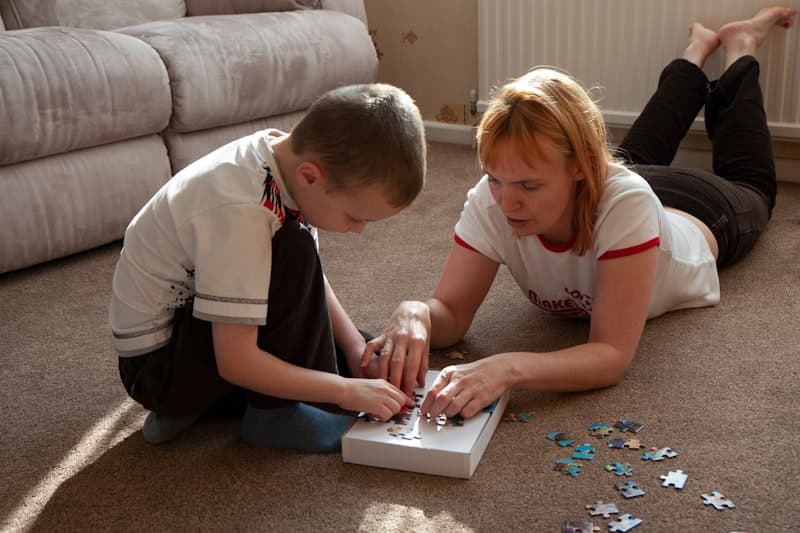
Therapy here builds the day: dressing, routines, communication, and a next step after school. We start from what already works.

Outside-knee pain on walks or stairs is often a hip-control problem, not a tight band. Stretching the band alone rarely fixes it.
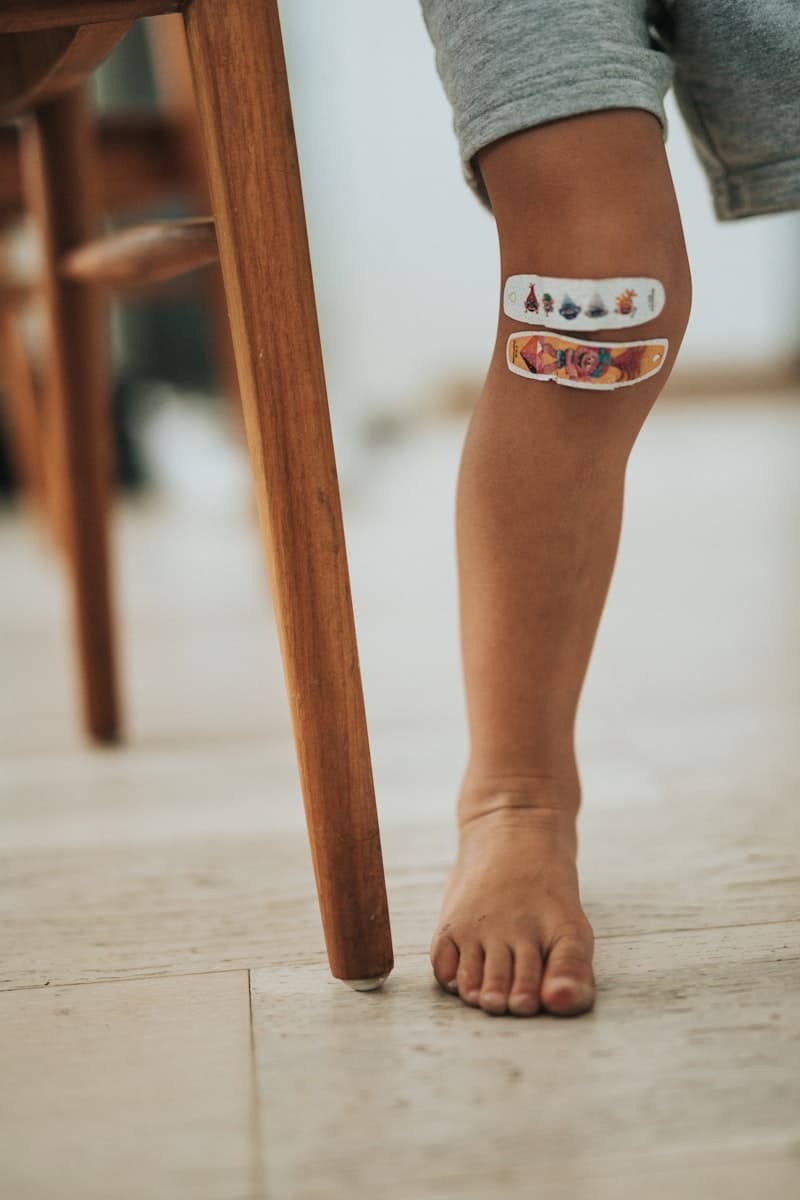
Sharp pain on stairs is not the same as an ache after sitting. We find your pattern, check the hip, and train on your own steps.
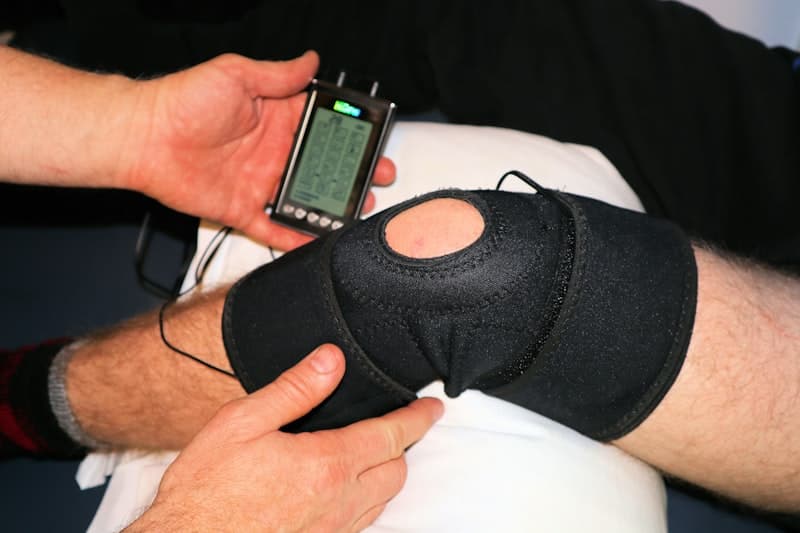
The first six weeks after a knee replacement decide motion. Therapy at home means those sessions happen, even when driving still hurts.

A torn labrum in the shoulder or hip can click and give way even when strength looks fine. Building muscle stability is often the first plan.
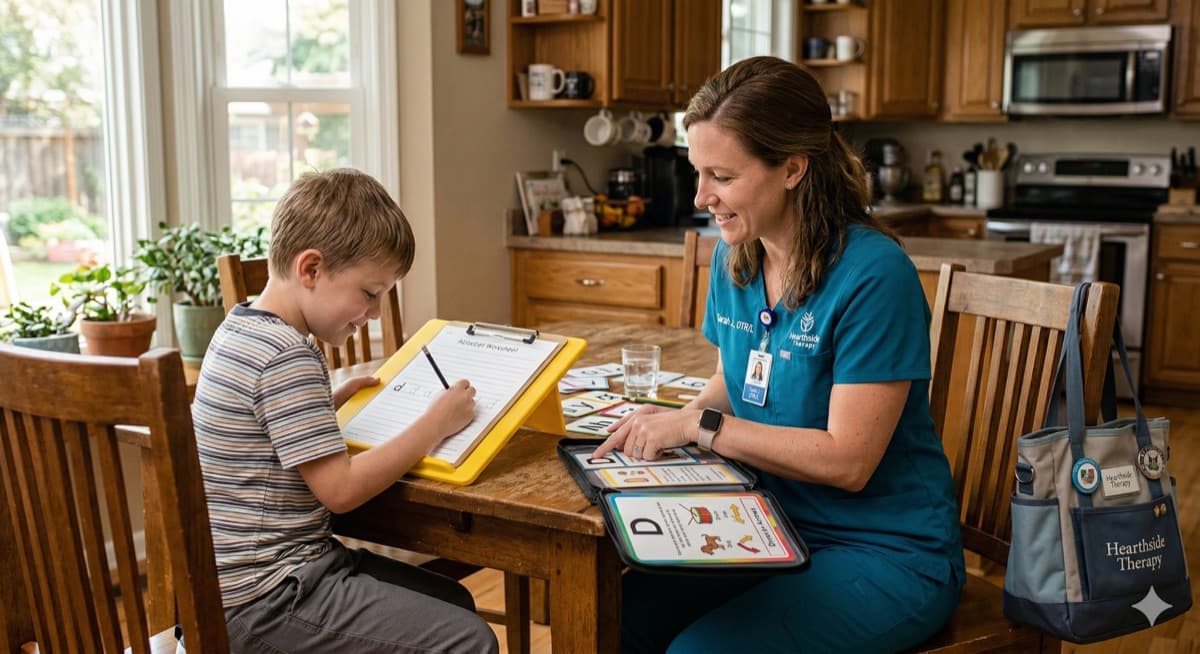
A learning disability is not about intelligence. Home OT supports the processing, writing, and organization skills school assumes kids already have.
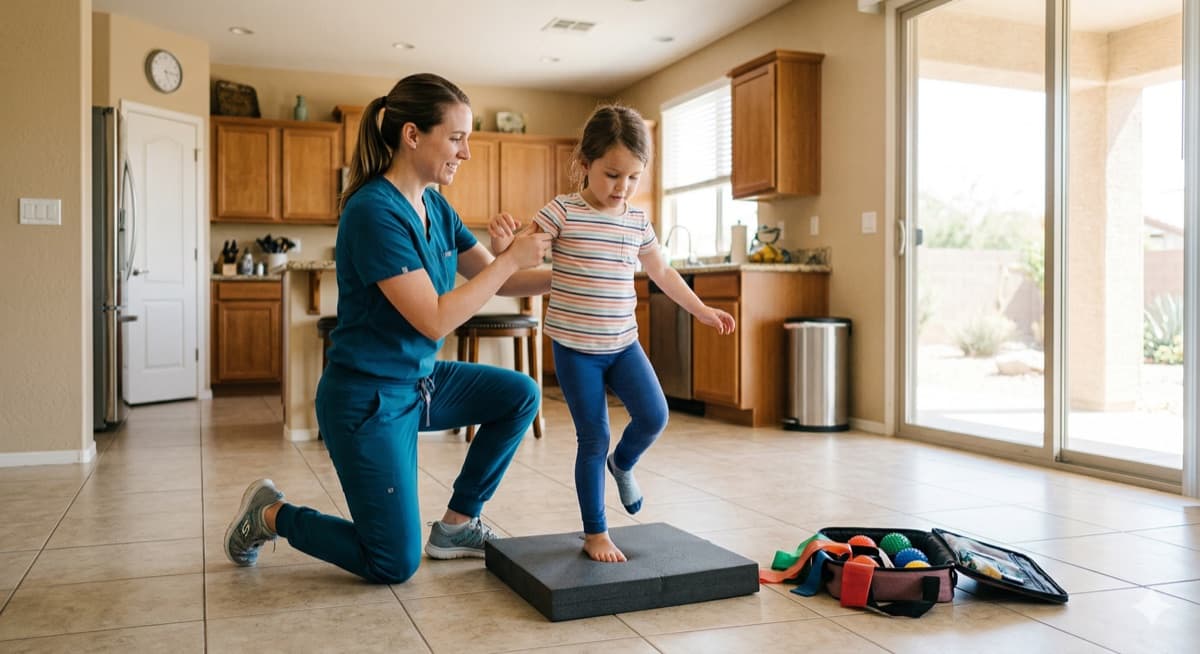
The kid who looks clumsy is usually working harder than everyone else just to stay upright. We build the strength and coordination underneath.
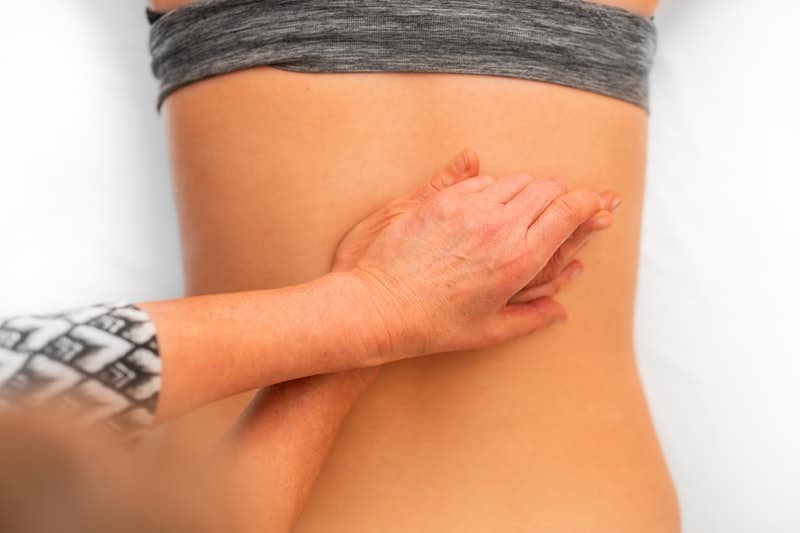
Most low back pain has no surgical cause. We treat load, sitting, and the Phoenix summer slump, in the house where you actually sit and lift.
A tear on a 30-year-old soccer knee is not the same as one on a 68-year-old scan. Most degenerative tears should start with rehab, not surgery.
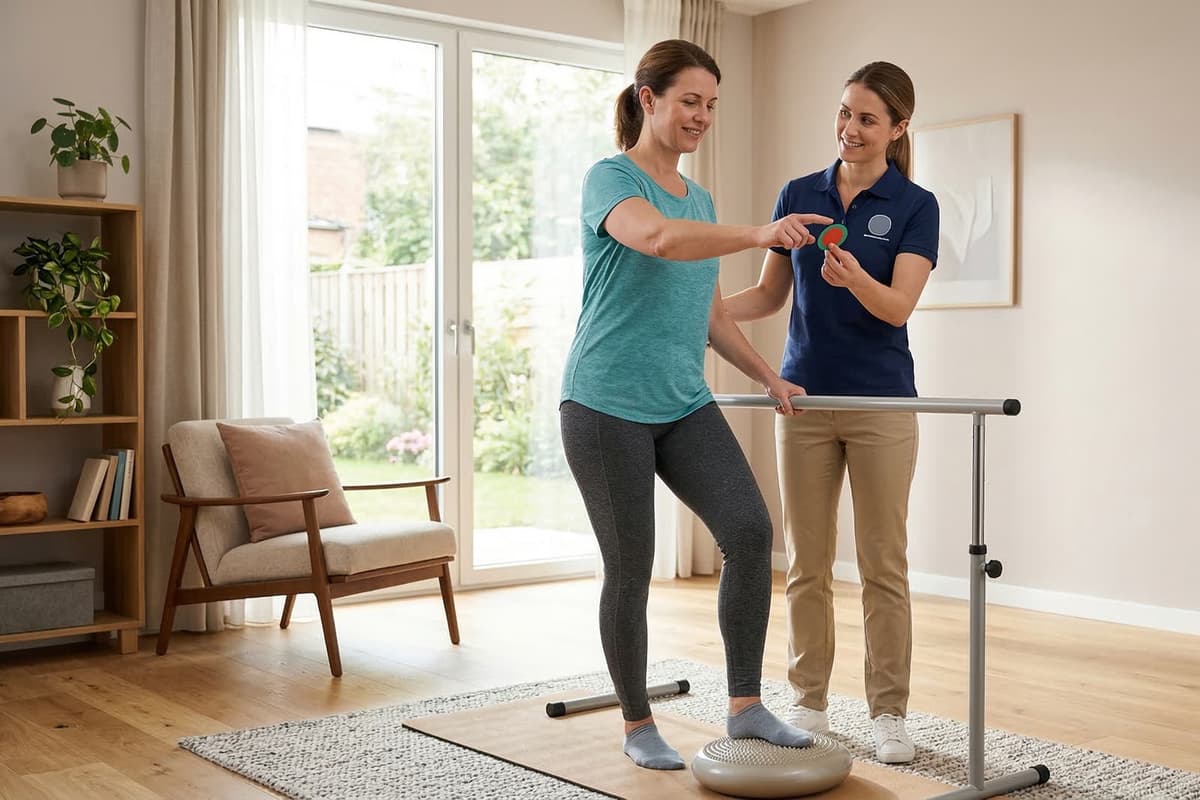
MS changes week to week. In-home therapy flexes with fatigue and heat, so a Phoenix car trip doesn't spend the energy the session needs.

Weakness after illness is not the same as weakness from a nerve. We find the driver, then rebuild strength into jars, laundry, and low chairs.

Most neck pain comes from hours, at a screen, on the phone, in a West Valley car, on the wrong pillow. We treat those positions at home.
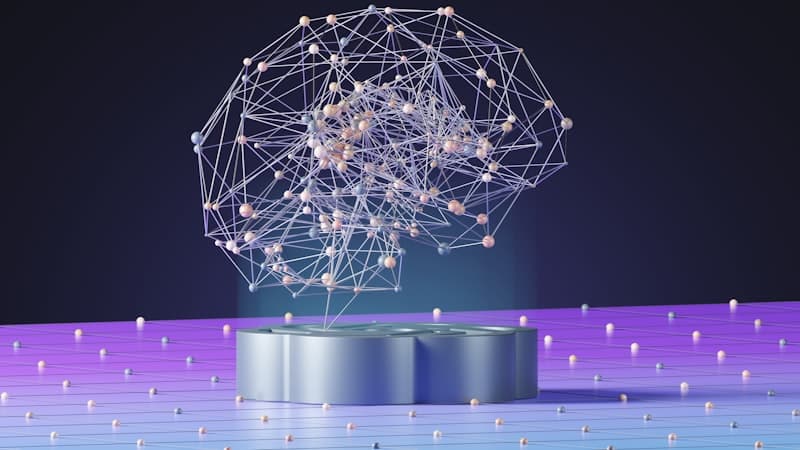
Stroke, Parkinson's, MS, and other nerve conditions all need task-specific practice. We retrain the movement in the house you'll use it.
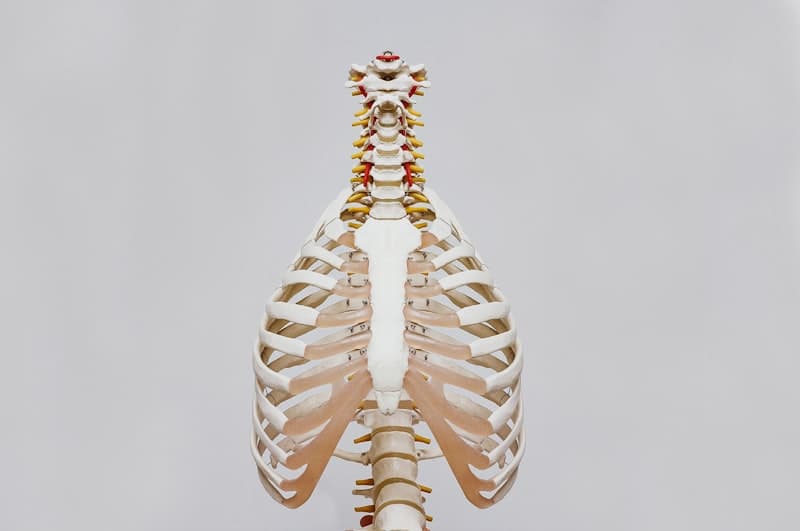
Moving less to protect bone usually raises fall risk. We teach what's actually safe, then build strength and a house that doesn't trip you.

Big, effortful movement helps Parkinson's more than cautious exercise. Home visits land during your 'on' hours, and we train the doorway that freezes you.

Buttock pain that shoots down the leg can be a tight piriformis, not a disc. It feels like sciatica. The fix is different.
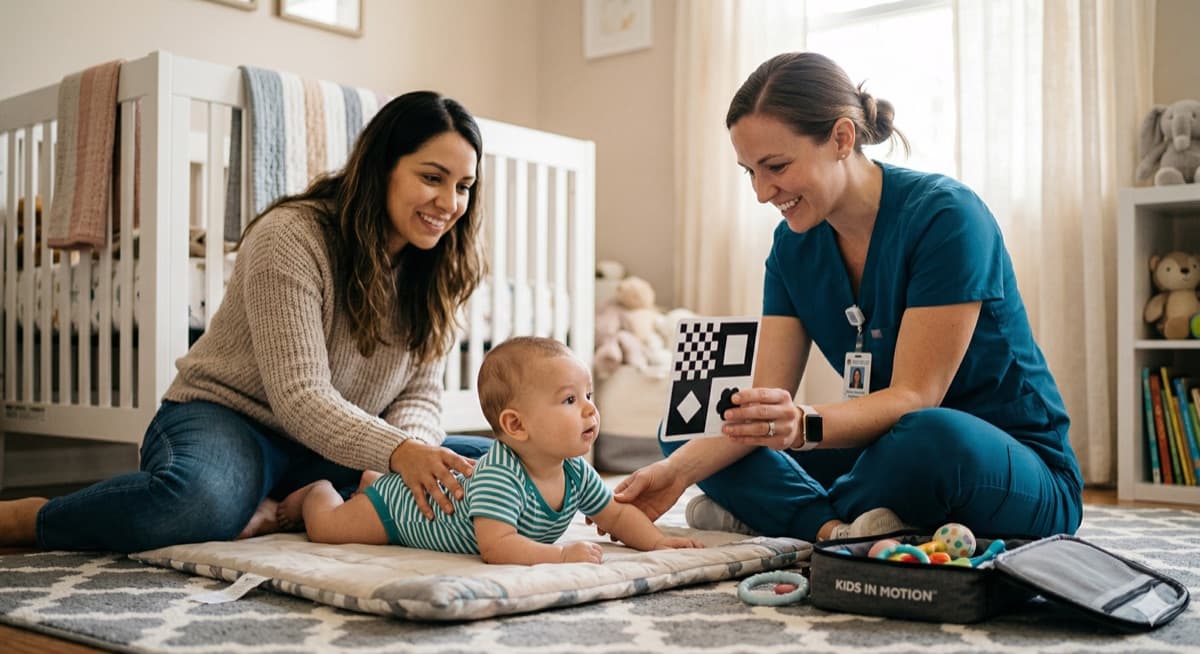
A flat spot on a baby's head is common and usually not dangerous. Early repositioning and tummy time, done in your crib and carrier, change the outcome.

Valley tile, travertine, and barefoot mornings keep heel pain going. We load the fascia on a schedule and cut the barefoot hours that undo the work.
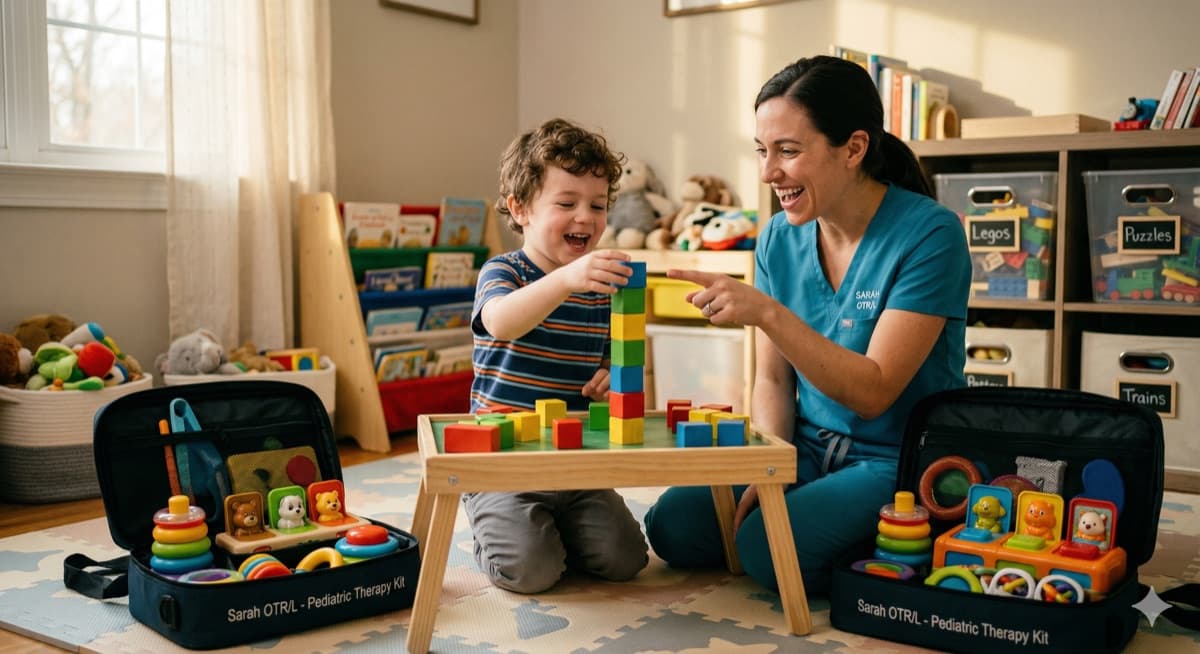
Play is how young children learn school and friendship later. If play is stuck, we get in the play with your child and expand it, at home.
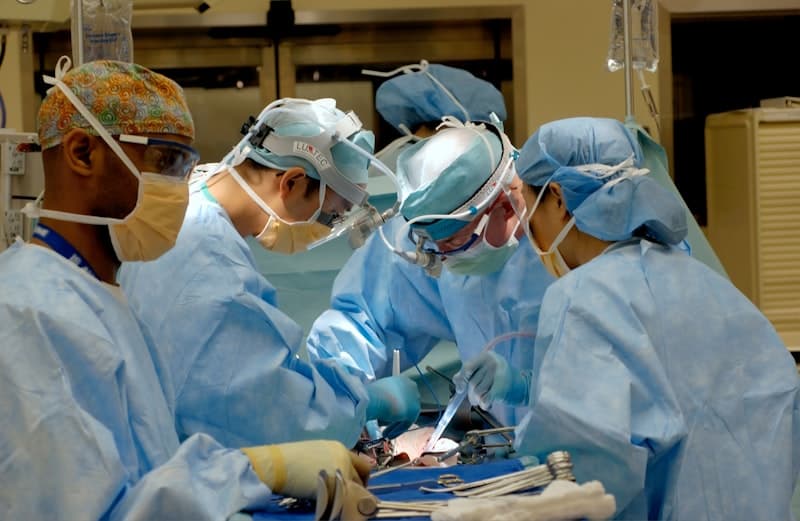
The operation is one day. Recovery is the weeks after. We come to the house when a car trip is hardest, so sessions don't slip.
Sit-up-straight reminders fade by noon. We retrain the habit and the desk, car seat, and chair that built it in the first place.

People who go into joint replacement stronger usually come out moving sooner. Prehab builds that strength and sets the house up before surgery.
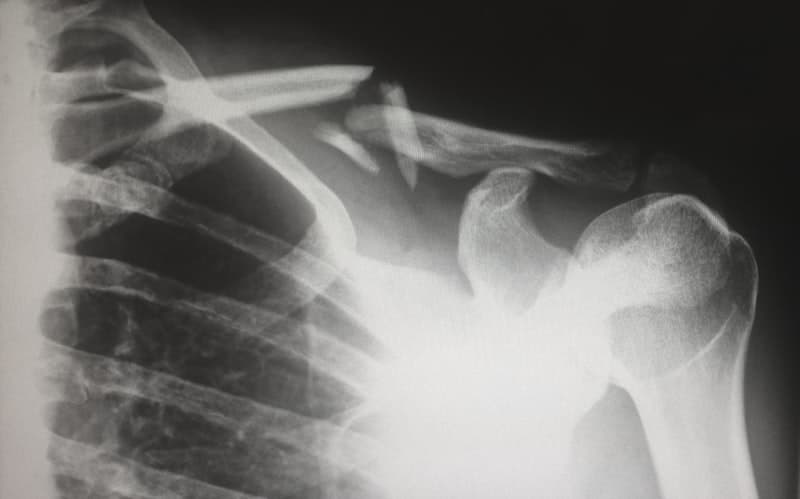
Pain in the middle of lifting your arm, a jacket, a top shelf, combing hair, is often a space problem under the shoulder, not raw weakness.
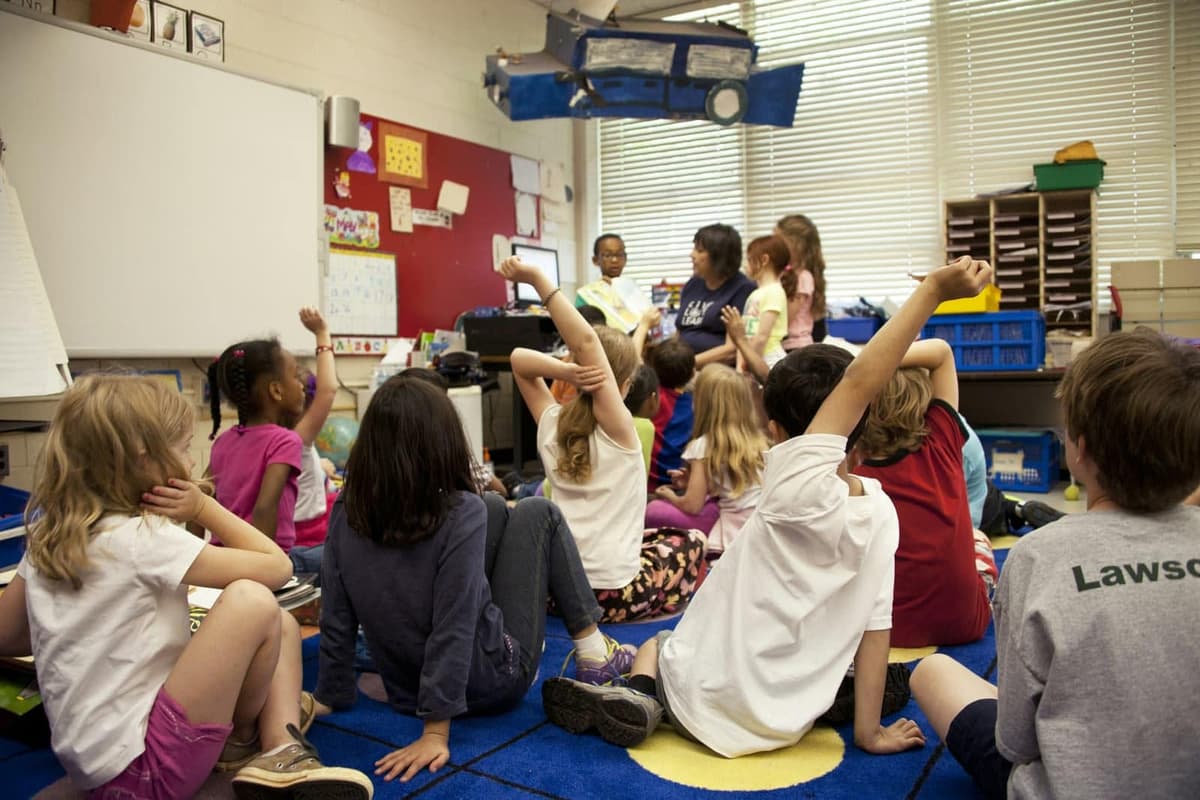
Kindergarten wants sitting, two-step directions, zippers, scissors, and waiting. We build those skills at your sink and table before the first day.
Sciatica is a symptom, not a diagnosis. In-home therapy finds which daily positions load the nerve and which give it room to settle.
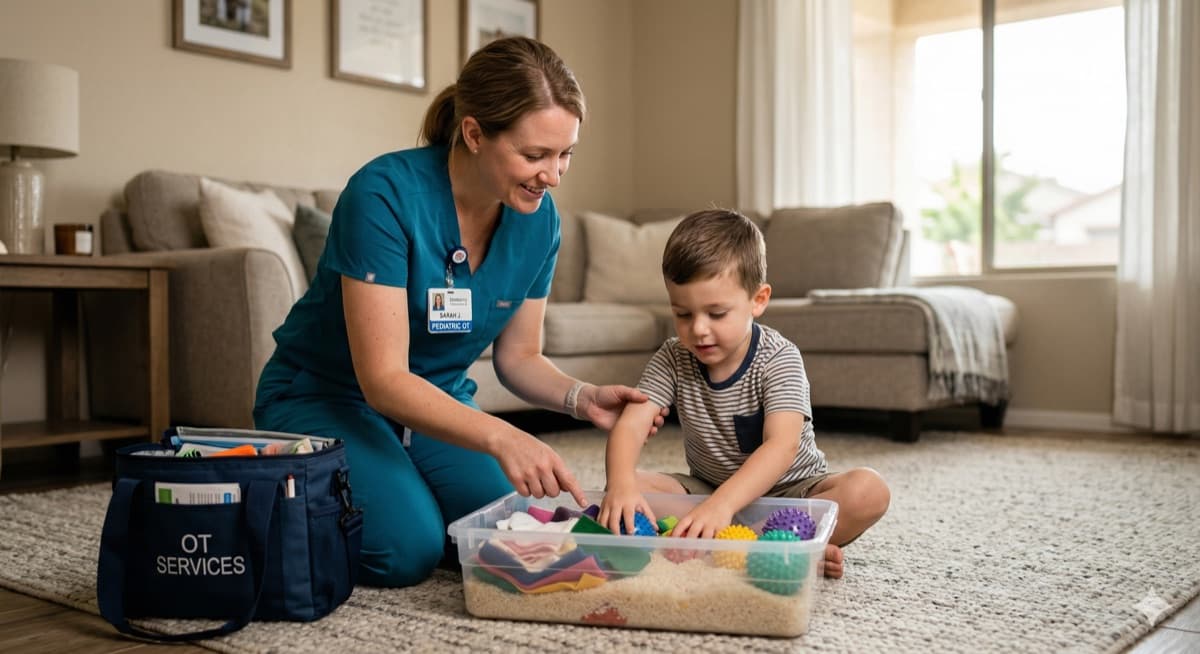
Meltdowns at haircuts, tags, noise, or meals are often sensory, not behavior. We build the plan in your actual bedroom, table, and bath.

Shin pain after a new walking routine is usually too much, too soon. We cut the load just enough, then build it back on a real schedule.
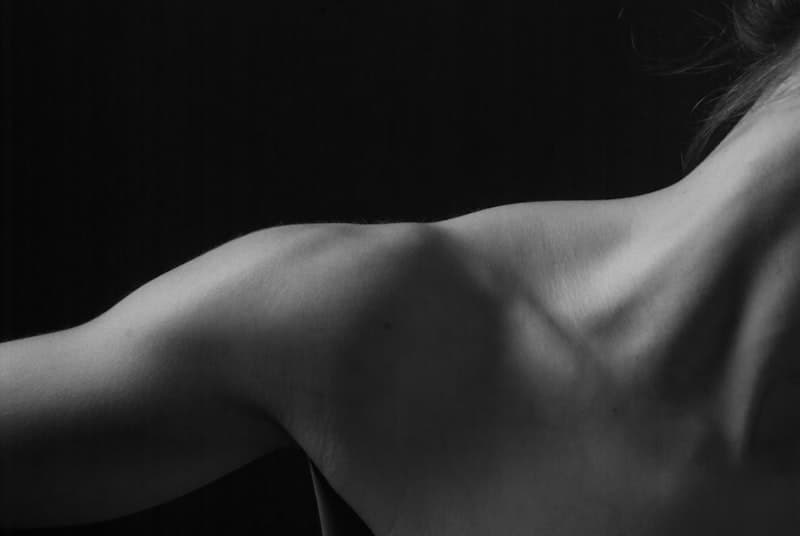
Shoulder impingement is often a space problem. Strength helps, but rounded shoulders and awkward reaches shrink the room tendons need.
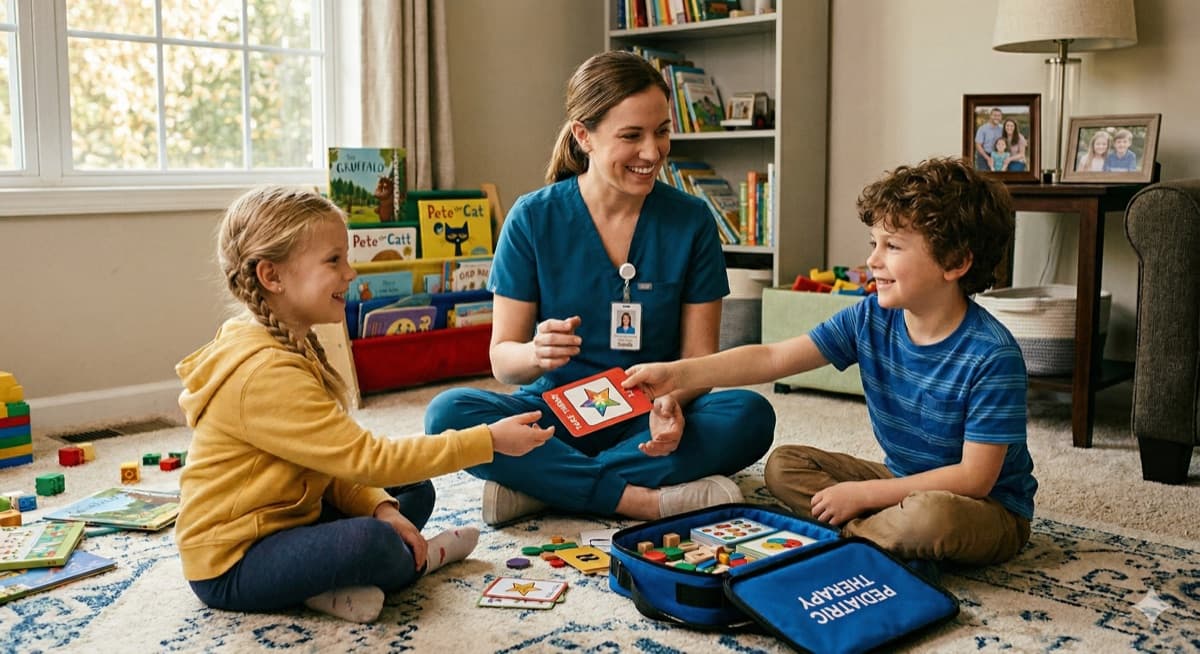
Friendship is a skill, not a personality trait. We teach reading a room, turn-taking, and staying regulated enough to use those skills.
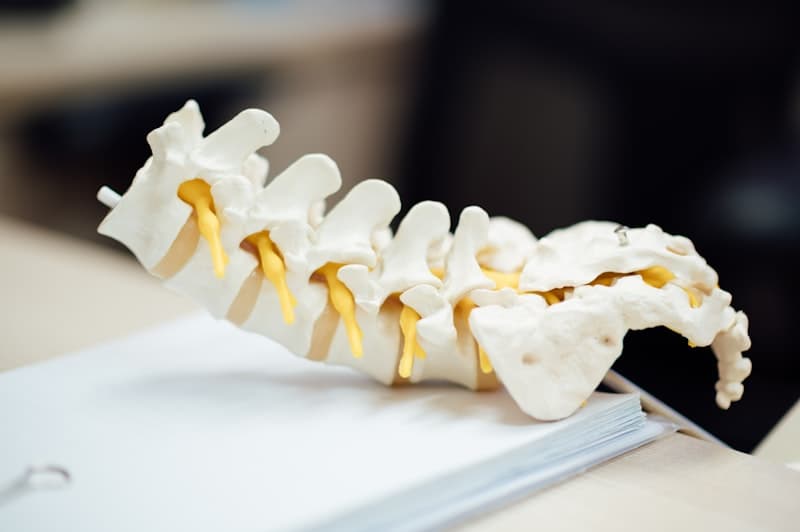
Recovery starts from the function you have now. We train transfers, wheelchair skills, and daily tasks in your actual bathroom and doorways.
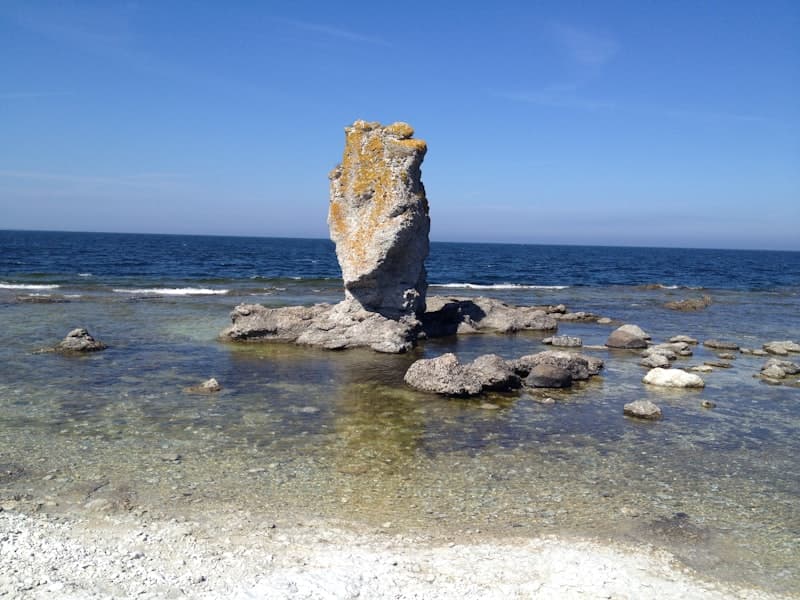
If leaning on a shopping cart eases leg heaviness, that's a stenosis pattern. We rebuild walking distance, including indoor Valley grocery loops.

Gains after a stroke keep coming past six months. We practice dressing, walking, and speech in your kitchen, and we bill Medicare Part B directly.
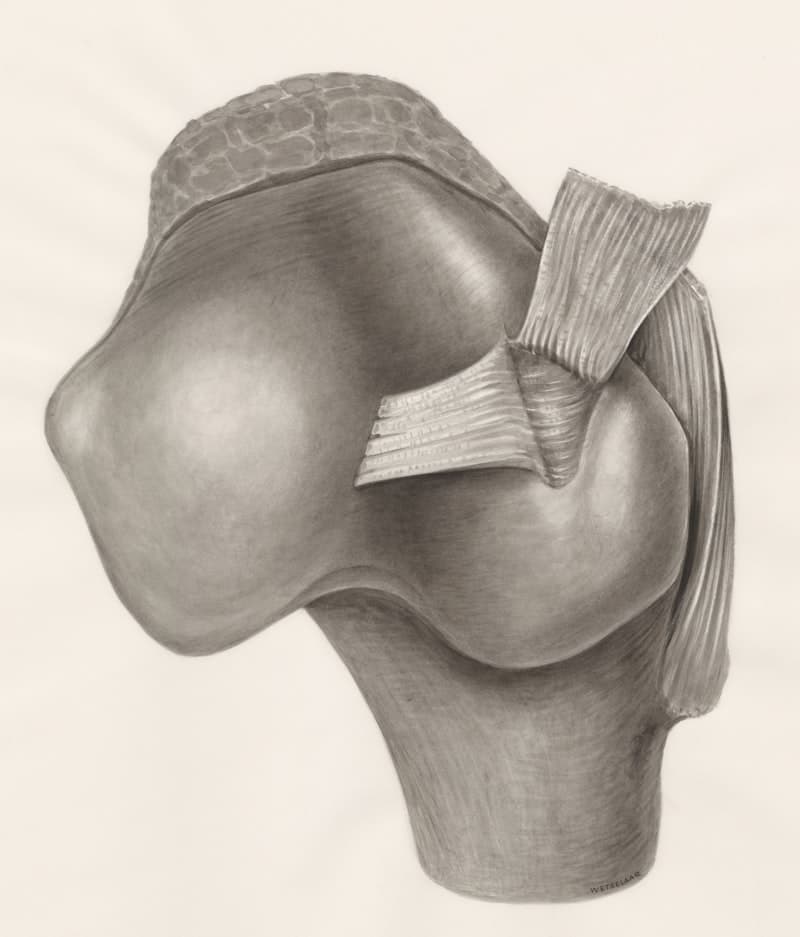
Tendonitis is overload the tendon couldn't recover from. Complete rest often slows healing. The plan is the right load, for long enough.

West Valley elbow pain is usually the commute, yard work, pickleball, or a bad keyboard, not tennis. The tendon needs graded loading, not rest alone.
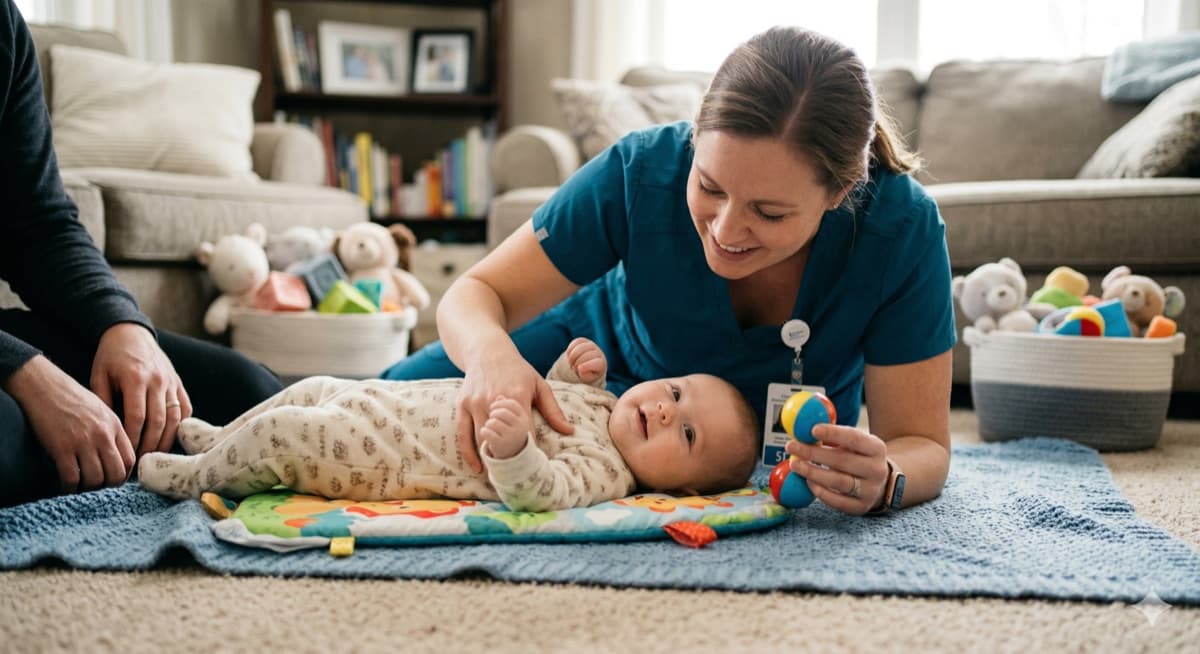
A baby who always tilts one way can affect skull shape, feeding, and vision. Gentle stretching and tummy time work best in the early months.
No two brain injuries recover the same way. We assess movement, memory, attention, and follow-through, then rebuild daily life at home and school.

Leaks often shrink a life before anyone names them. Bladder training and pelvic floor work, done correctly, are treatable, private, and common.

Vertigo and unsteadiness are exhausting. Some cases, like BPPV, need a repositioning maneuver. Others need gaze and balance training in your house.
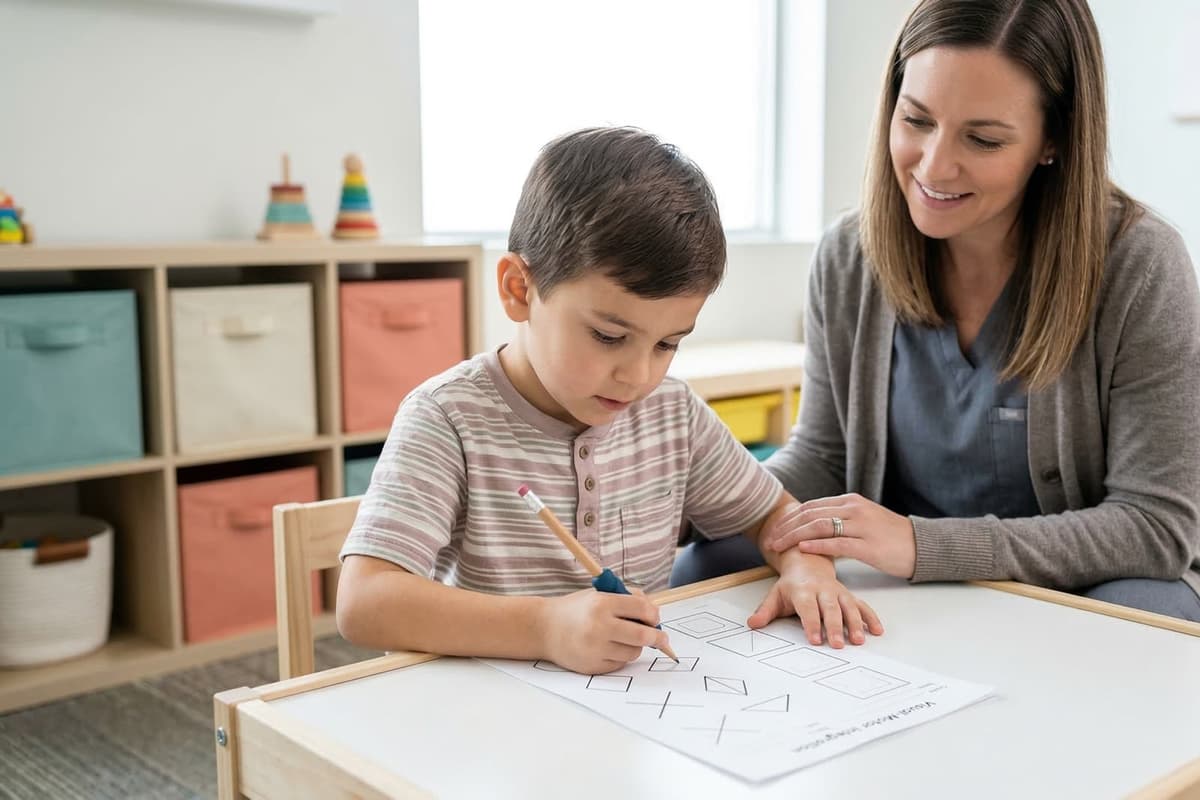
A child can see fine and still miss the line, the catch, or the copy-from-the-board task. We train the eye-hand connection underneath schoolwork.