Seniors
Does Medicare Cover In-Home Occupational Therapy in Arizona?
Yes, and you probably don't need to be homebound to get it. Here's how Medicare Part B, home health, and Medicare Advantage differ for Arizona families.
August 18, 2026Insights on therapy, wellness, and living well at every stage of life.
15 posts shown
Yes, and you probably don't need to be homebound to get it. Here's how Medicare Part B, home health, and Medicare Advantage differ for Arizona families.
August 18, 2026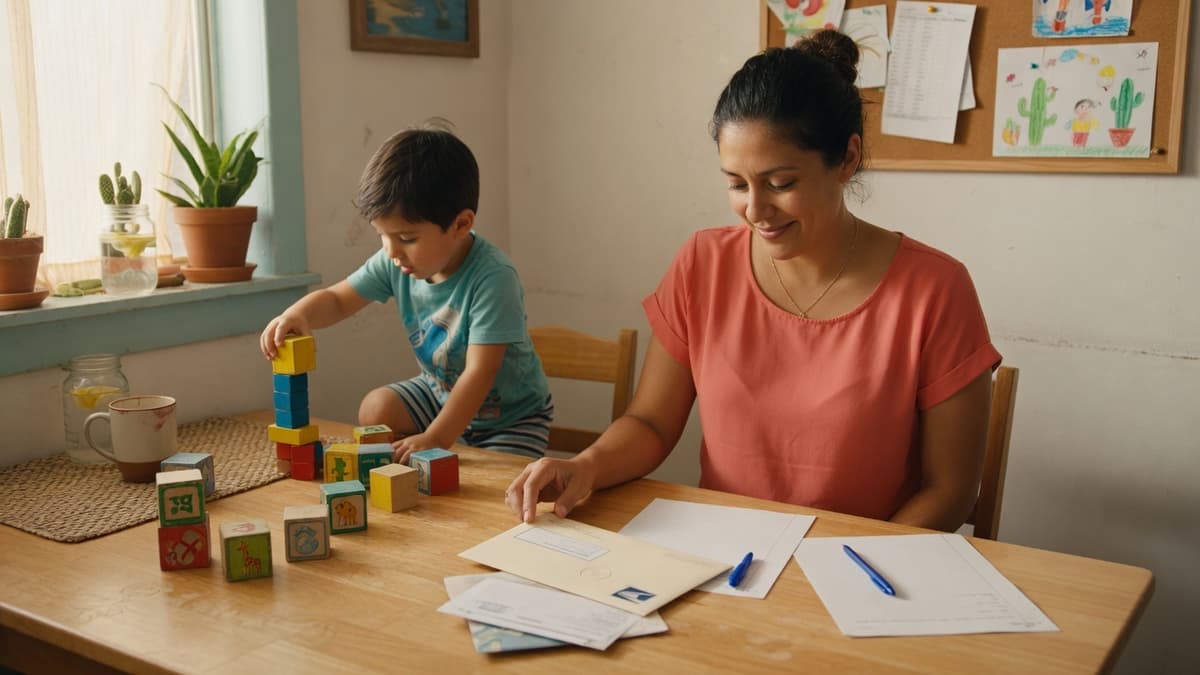
Got your DDD eligibility letter? Here's exactly what Arizona families can expect in the first months, and the questions worth asking along the way.

Understanding developmental milestones helps parents spot early signs that a child may benefit from occupational therapy. Learn what to watch for at each age and when to seek a professional screening.

Complex Regional Pain Syndrome is a challenging pain condition often triggered by minor injuries, leading to disproportionate pain due to a malfunctioning nervous system. Learn about evidence-based management strategies including graded motor imagery and desensitization therapy.

Falls are a major risk for seniors but can often be prevented through occupational therapy, which offers personalized strategies like balance training, home modifications, and education to reduce fall risks and maintain independence.
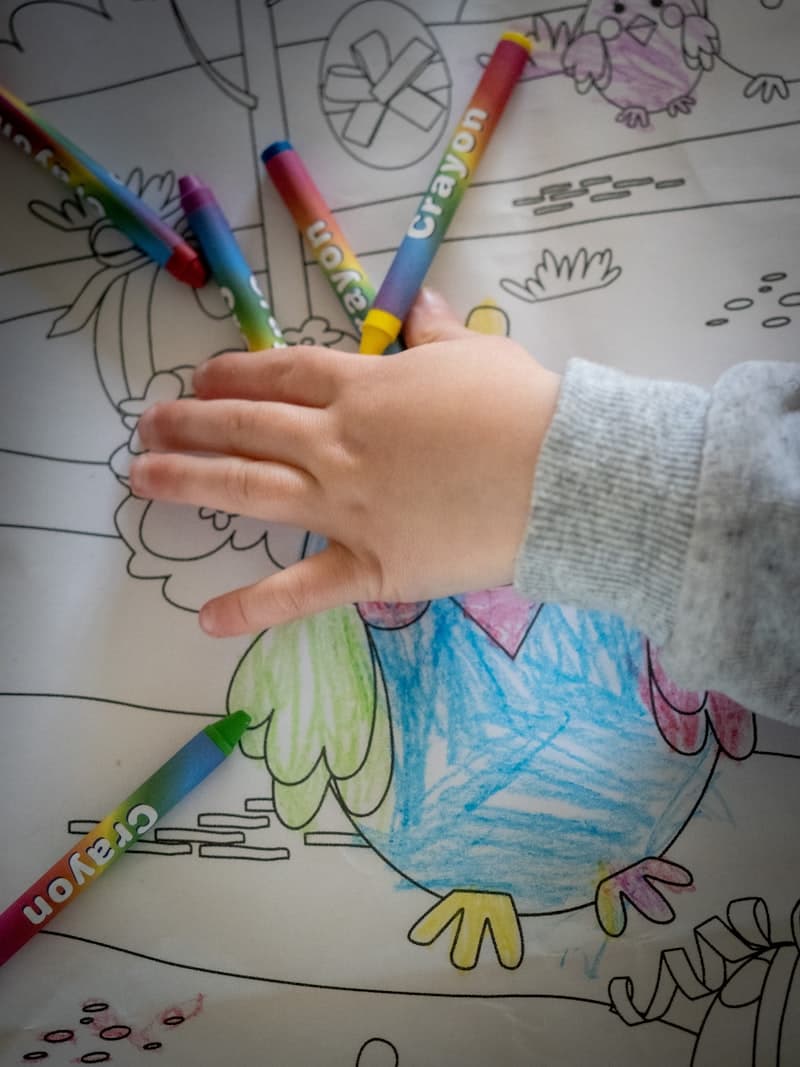
Fine motor skills are crucial for children's school readiness, impacting tasks like writing and self-care. Occupational therapy helps develop these skills through engaging activities, supporting children's confidence and participation in school.

Play is essential for children's development, serving as a foundation for learning life skills. Occupational therapy uses structured play to enhance cognitive, motor, and social abilities, making it therapeutic and purposeful.

Back pain affects up to 80% of adults and can disrupt daily life. Occupational Therapy helps manage pain through activity modification, ergonomic training, strength programs, and emotional support, empowering individuals to regain control.

Maintaining balance is crucial for seniors to prevent falls, which are a major health risk. Occupational Therapy helps improve balance through personalized interventions, including strength training, fall risk assessments, and adaptive strategies.

Shoulder pain can disrupt daily life. Occupational Therapy focuses on restoring function through personalized interventions, therapeutic exercises, and ergonomic modifications, helping individuals regain independence and manage pain effectively.

Occupational therapy is vital for stroke survivors, aiding in regaining independence and confidence through personalized interventions in daily living, motor skills, cognitive rehabilitation, and community reintegration.
Activities of Daily Living (ADLs) are essential self-care tasks that impact independence and quality of life. Occupational Therapy helps individuals regain or adapt their ability to perform these tasks, promoting safety and confidence in daily routines.

Occupational Therapy helps individuals of all ages improve daily living skills through personalized care, addressing conditions from developmental delays in children to recovery from injuries in adults and supporting mental health and aging challenges.

Children with autism face unique sensory processing challenges that can disrupt daily life. Occupational therapy helps by creating personalized strategies to manage sensory input, enhancing functional skills and routines in a child's home environment.

Children with sensory processing difficulties may struggle with everyday stimuli, affecting their behavior and learning. Early intervention through Occupational Therapy provides strategies to help them regulate responses and thrive.