How this can affect daily life
Osteoporosis can affect comfort, mobility, balance, energy, and confidence with daily tasks. Moving less to protect bone usually raises fall risk. We teach what's actually safe, then build strength and a house that doesn't trip you. When symptoms begin to change how someone moves, cares for themselves, or manages routines, therapy can help identify practical next steps.
When it may be time to schedule an evaluation
If pain, weakness, dizziness, or stiffness is affecting safety, mobility, or independence.
If walking, stairs, transfers, bathing, cooking, or other daily activities are becoming harder to manage.
If you want a clear plan to rebuild function, prevent setbacks, and feel safer at home.
What a care plan may include
Fall prevention training
posture support
safe strengthening
home safety strategies
energy conservation
Therapies that may be part of the plan
Bones that need protecting, not avoiding
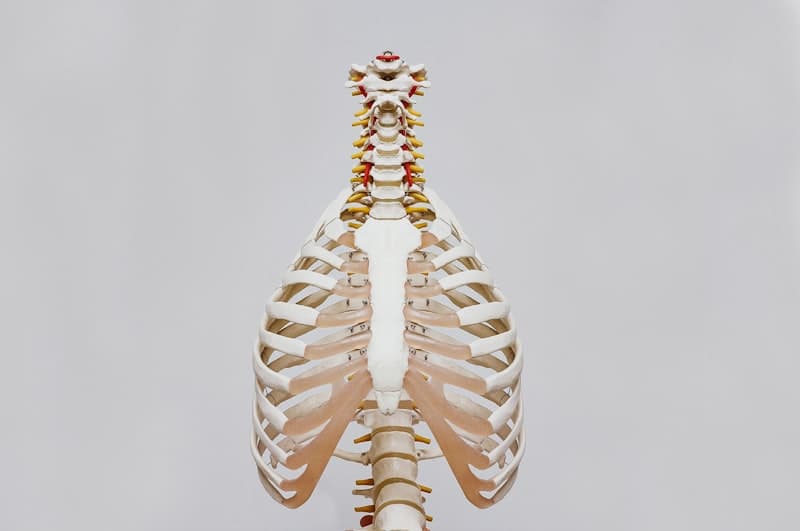
Osteoporosis weakens bone and raises fracture risk. The instinct is often to move less to stay safe. That instinct is mostly backwards. Bone needs the right kind of load to stay strong. Too much caution leads to weaker muscles and worse balance, and that raises fall risk instead of lowering it.
Fall prevention is the priority, and it's specific
A fracture from a fall is the real danger with osteoporosis. More than daily activity itself. Fall prevention training here means the same careful, room-by-room review used for fall risk generally. Plus attention to specific movements, like bending and twisting the spine, that carry higher fracture risk with fragile bone.
Building the plan safely
Posture support addresses spine positioning that protects vertebrae during daily movement. Safe strengthening builds bone-supporting muscle using techniques appropriate for fragile bone, not generic resistance training. Home safety strategies remove the hazards most likely to cause a fall. Energy conservation helps you get through a full day without fatigue. Fatigue leads to careless movement later in the day, when falls are more likely.
What we avoid on purpose
Certain movements, forceful spinal twisting or bending forward under load, carry real fracture risk with osteoporosis. We build your plan around what's safe for your specific bone density, not a generic exercise sheet that doesn't account for it.
Confidence changes behavior
People who understand what's actually safe move more freely, and that freedom itself supports bone health. Fear of movement is common with this diagnosis, and addressing it directly is part of the plan, not a side note.
Related conditions
If you are comparing similar symptoms or nearby diagnoses, these pages can help you understand related treatment options.
Balance Disorders
Dizziness and unsteadiness drain a whole day. We find whether the inner ear, eyes, or legs are off, then train balance on your own floors.
Difficulty with Walking
Walking trouble is rarely one thing. Pain, weakness, balance, and fear stack up. We rebuild the walk you use at 2am, not a hallway lap.
Fall Prevention
In Sun City, Surprise, and Peoria, a fall is what most often ends independent living. We assess your actual house, then train strength and balance there.
Related articles
Practical information from our team to help you better understand this condition and treatment options.
Does Medicare Cover In-Home Occupational Therapy in Arizona?
August 18, 2026
Yes, and you probably don't need to be homebound to get it. Here's how Medicare Part B, home health, and Medicare Advantage differ for Arizona families.
Fall Prevention: How Occupational Therapy Keeps Seniors Safe and Independent
June 30, 2025
Falls are a major risk for seniors but can often be prevented through occupational therapy, which offers personalized strategies like balance training, home modifications, and education to reduce fall risks and maintain independence.