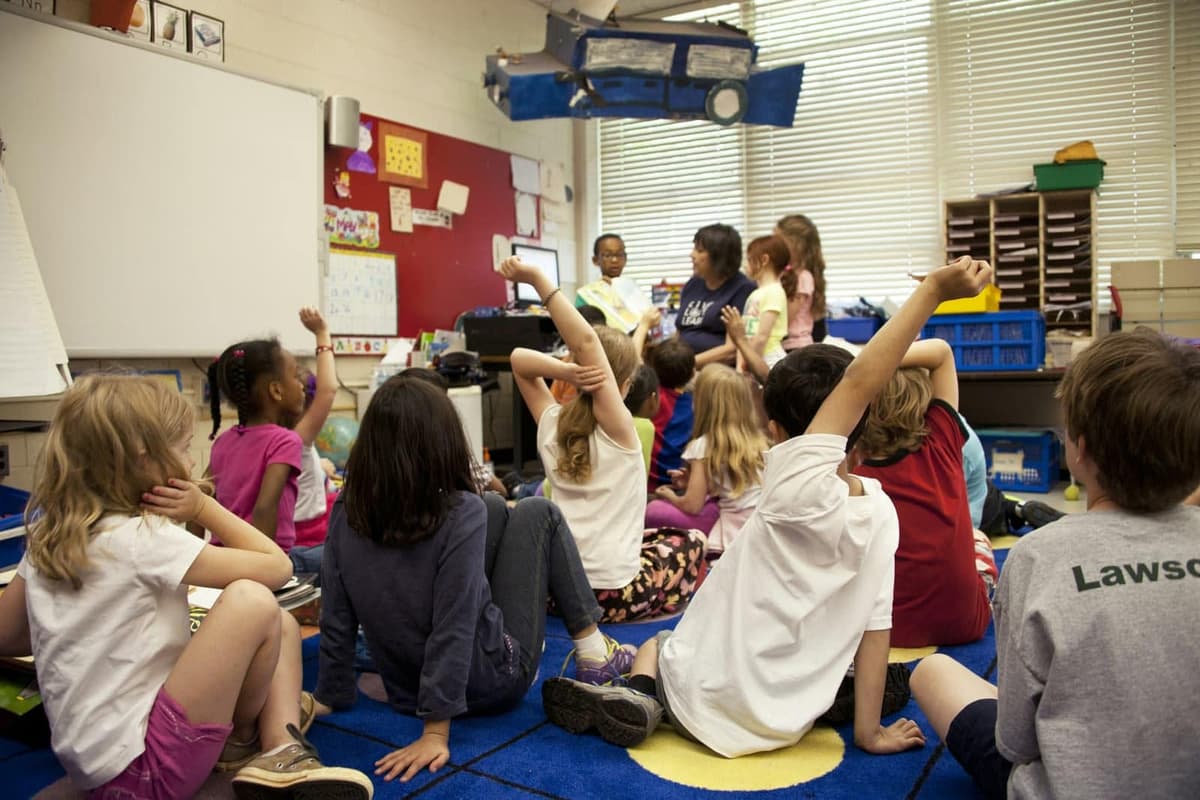
How this can show up at home, at school, and in play
School Readiness Delays can affect play, attention, self-regulation, self-care, and school participation. Kindergarten wants sitting, two-step directions, zippers, scissors, and waiting. We build those skills at your sink and table before the first day. When these challenges start creating frustration, fatigue, or added stress for the family, an evaluation can help clarify which skills need support most.
When it may be time to schedule an evaluation
If your child needs more help than expected with play, dressing, eating, writing, routines, or classroom participation.
If teachers or caregivers notice frequent frustration, avoidance, quick fatigue, or trouble keeping up with important skills.
If you want a clearer picture of what support could help now and how to build a plan for home and school.
What a care plan may include
Pre-writing activities
attention and transition support
self-care practice
fine motor development
sensory regulation
and routines that prepare children for classroom expectations
Therapies that may be part of the plan
Kindergarten asks for more than most people realize
It's more than people think. Sitting still for circle time. Following a two-step direction without a reminder. Zipping a jacket. Using scissors. Waiting for a turn. These small skills add up to what teachers actually mean by "ready for school," and a child can be bright and curious while still needing real support to build them.
Where readiness breaks down
It's rarely one big gap. More often it's several small ones stacking up: attention that wanders during transitions, fine motor skills that make pre-writing tasks frustrating, self-care tasks that take longer than classmates', or sensory sensitivities that make a busy classroom overwhelming. We find the actual combination for your child, not a generic list.
Pre-writing before writing
Pre-writing activities build the hand strength and motor control a child needs before letters even enter the picture. Kids who struggle here often get labeled as behind in writing. The real issue isn't writing, it's the physical groundwork underneath it.
The transition problem nobody names
Attention and transition support addresses one of the most common classroom struggles: moving from one activity to the next without a meltdown or a shutdown. This is a specific, learnable skill, not a character trait, and it responds well to the right strategies.
Bringing it all home
We build routines that work in your actual house, not a generic list of "school readiness activities." Practicing self-care at your own bathroom sink. Fine motor work with toys you already own. Consistency between home and the eventual classroom is what makes the transition to school actually land.
Related conditions
If you are comparing similar symptoms or nearby diagnoses, these pages can help you understand related treatment options.
Autism Spectrum Disorder (ASD)
OT for autistic children builds the skills that make a day work: dressing, meals, sleep, transitions. We do that work in your home, not a waiting room.
Cerebral Palsy
No two children with CP move the same way. We build the plan around what your child can do today, in the house they actually live in.
Developmental Delays
A delay is not a life sentence. Early, play-based therapy in your home gives a child the best shot at catching up during the years that count.
Related articles
Practical information from our team to help you better understand this condition and treatment options.
We Qualified for DDD. What Happens Next?
August 11, 2026
Got your DDD eligibility letter? Here's exactly what Arizona families can expect in the first months, and the questions worth asking along the way.
Developmental Milestones: What to Watch For and When to Act
April 1, 2026
Understanding developmental milestones helps parents spot early signs that a child may benefit from occupational therapy. Learn what to watch for at each age and when to seek a professional screening.