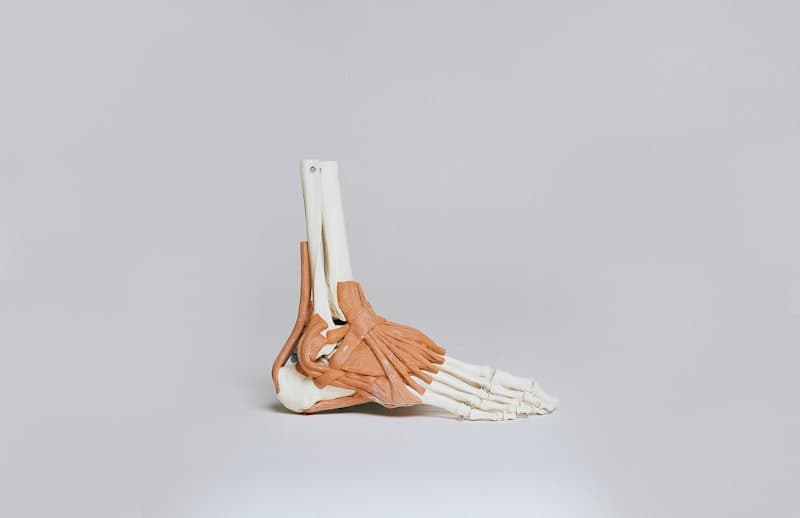
How this can affect daily life
Ankle Injuries can affect comfort, mobility, balance, energy, and confidence with daily tasks. Most ankle sprains heal. The balance your ankle lost often does not. In-home rehab retrains it on the driveway, gravel, and curbs you actually walk. When symptoms begin to change how someone moves, cares for themselves, or manages routines, therapy can help identify practical next steps.
When it may be time to schedule an evaluation
If pain, weakness, dizziness, or stiffness is affecting safety, mobility, or independence.
If walking, stairs, transfers, bathing, cooking, or other daily activities are becoming harder to manage.
If you want a clear plan to rebuild function, prevent setbacks, and feel safer at home.
What a care plan may include
Joint protection
pain management
functional mobility
manual therapy
proprioception
strengthening
Therapies that may be part of the plan
The ankle you sprained once is easy to sprain again
Most ankle sprains heal in a matter of weeks. What often doesn't heal on its own is the balance and proprioception the ankle lost. That's the sense of where your foot is in space without looking at it. Skip that part of recovery, and the same ankle rolls again on the same uneven ground, sometimes years later.
That's why "the swelling went down" isn't the same as "it's better."
What we rebuild, not just what we treat
Early on, the goals are simple. Reduce swelling. Protect the joint. Get you walking safely again. Once that's in place, the real work starts: retraining balance, rebuilding strength around the joint, and practicing on the surfaces that actually caused the problem. Gravel. A sloped yard. A pool deck. Stepping off a curb without looking down.
We do this training in your home, on your real surfaces, because a clinic floor won't teach your ankle what your driveway will.
Getting back to what you were doing
Whether that's chasing grandkids, playing pickleball, or just walking the dog without a second thought, the plan builds toward it directly. We track range of motion, strength, and balance along the way, and we don't call it done until the ankle can handle the ground you actually walk on.
Related conditions
If you are comparing similar symptoms or nearby diagnoses, these pages can help you understand related treatment options.
Arthritis
Moving less when a joint hurts usually backfires. In-home therapy finds the right daily dose of movement so arthritis pain doesn't run the day.
Bursitis
Bursitis turns ordinary motion, reaching overhead, rolling in bed, sitting too long, into a flare. We find the daily trigger and change it.
Carpal Tunnel Syndrome
Night numbness in the thumb and first fingers is usually the median nerve, not a simple wrist sprain. A night splint is often the first real fix.
Related articles
Practical information from our team to help you better understand this condition and treatment options.
Does Medicare Cover In-Home Occupational Therapy in Arizona?
August 18, 2026
Yes, and you probably don't need to be homebound to get it. Here's how Medicare Part B, home health, and Medicare Advantage differ for Arizona families.
Complex Regional Pain Syndrome (CRPS): When Your Nervous System Gets Its Wires Crossed
August 8, 2025
Complex Regional Pain Syndrome is a challenging pain condition often triggered by minor injuries, leading to disproportionate pain due to a malfunctioning nervous system. Learn about evidence-based management strategies including graded motor imagery and desensitization therapy.