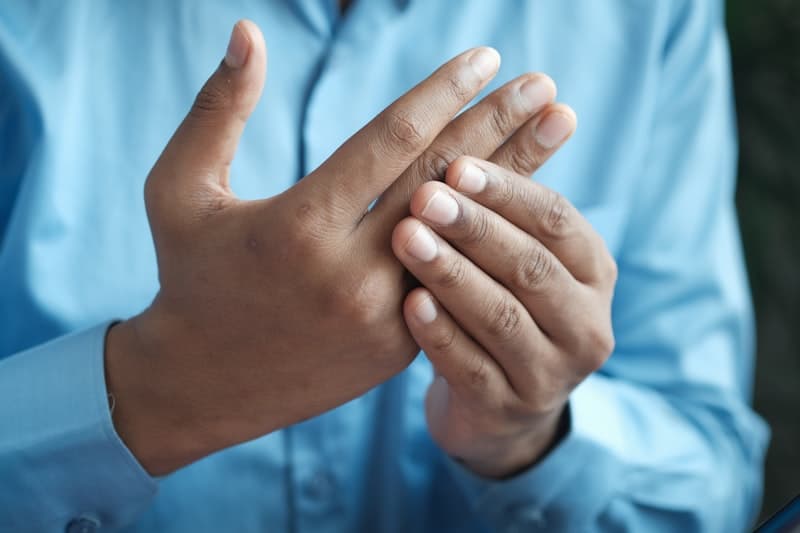
How this can affect daily life
Arthritis can affect comfort, mobility, balance, energy, and confidence with daily tasks. Moving less when a joint hurts usually backfires. In-home therapy finds the right daily dose of movement so arthritis pain doesn't run the day. When symptoms begin to change how someone moves, cares for themselves, or manages routines, therapy can help identify practical next steps.
When it may be time to schedule an evaluation
If pain, weakness, dizziness, or stiffness is affecting safety, mobility, or independence.
If walking, stairs, transfers, bathing, cooking, or other daily activities are becoming harder to manage.
If you want a clear plan to rebuild function, prevent setbacks, and feel safer at home.
What a care plan may include
Joint protection strategies
adaptive equipment training
exercise therapy
Therapies that may be part of the plan
Arthritis pain doesn't mean you should move less
The instinct when a joint hurts is to protect it by using it less. With arthritis, that instinct usually backfires. Joints that move less get stiffer, weaker, and more painful, not less. The right kind of movement, at the right dose, is one of the most effective things you can do for arthritis pain, alongside whatever your physician has you on.
Finding that right dose is the hard part, and it's exactly what we help with.
What changes day to day
Arthritis rarely shows up as one big problem. It shows up as a jar lid you can't open, stairs that take longer, a knee that locks up after sitting through a movie, a grip that used to be stronger. We target those specific tasks directly, not just the joint in isolation.
That often means joint protection strategies, so you get the same job done with less strain. Adaptive tools that are worth having, and skipping the ones that aren't. A movement and strengthening program dosed to your joints on a given day, not a generic routine that ignores how you're actually feeling.
Good days and bad days
Arthritis fluctuates, and a plan that assumes every day is the same will fail on the bad ones. We build in flexibility. What to do when a joint flares. How to stay active without overdoing it. How to tell the difference between the discomfort of appropriate exercise and a joint asking you to back off.
What we look at on a visit
A visit usually starts with the tasks that have gotten harder: the jar lid that's been sitting on the counter for three days, getting up out of the chair you sit in every evening, the drawer that sticks. We watch you do them your way rather than a demonstration version, then adjust the technique or bring in a tool where one earns its place.
We also look at the room. A chair that sits too low to stand up from. A kitchen that has you reaching over your head for the pan you use daily. Moving things around isn't a substitute for the exercise program, but for a sore joint it can buy back as much in a week as the exercises do.
Related conditions
If you are comparing similar symptoms or nearby diagnoses, these pages can help you understand related treatment options.
Knee Replacement
The first six weeks after a knee replacement decide motion. Therapy at home means those sessions happen, even when driving still hurts.
Post-Surgical Recovery
The operation is one day. Recovery is the weeks after. We come to the house when a car trip is hardest, so sessions don't slip.
Ankle Injuries
Most ankle sprains heal. The balance your ankle lost often does not. In-home rehab retrains it on the driveway, gravel, and curbs you actually walk.
Related articles
Practical information from our team to help you better understand this condition and treatment options.
Does Medicare Cover In-Home Occupational Therapy in Arizona?
August 18, 2026
Yes, and you probably don't need to be homebound to get it. Here's how Medicare Part B, home health, and Medicare Advantage differ for Arizona families.
Reclaiming Life After Stroke: The Role of Occupational Therapy in Stroke Rehabilitation
June 27, 2025
Occupational therapy is vital for stroke survivors, aiding in regaining independence and confidence through personalized interventions in daily living, motor skills, cognitive rehabilitation, and community reintegration.