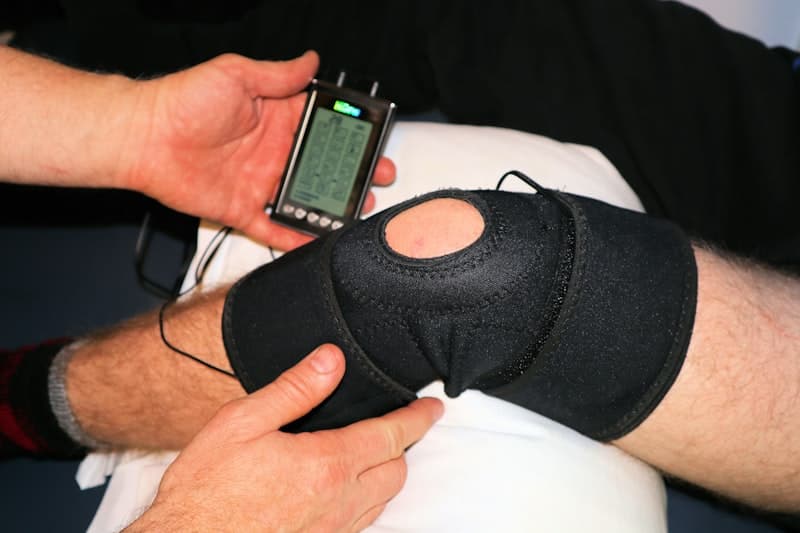
How this can affect daily life
Knee Replacement can affect comfort, mobility, balance, energy, and confidence with daily tasks. The first six weeks after a knee replacement decide motion. Therapy at home means those sessions happen, even when driving still hurts. When symptoms begin to change how someone moves, cares for themselves, or manages routines, therapy can help identify practical next steps.
When it may be time to schedule an evaluation
If pain, weakness, dizziness, or stiffness is affecting safety, mobility, or independence.
If walking, stairs, transfers, bathing, cooking, or other daily activities are becoming harder to manage.
If you want a clear plan to rebuild function, prevent setbacks, and feel safer at home.
What a care plan may include
Strength training
range of motion exercises
ADL retraining
Therapies that may be part of the plan
The first six weeks decide a lot
Getting range of motion back after a knee replacement is a race against time. The window where the knee most readily regains full extension and bend is a matter of weeks. Progress made early is much easier to keep than progress chased later. That's the main reason missed sessions cost more after this surgery than after most others.
It's also why in-home care fits so well. In the weeks when driving isn't comfortable yet, and a car trip in Valley heat is draining, therapy that comes to the house removes the most common cause of a missed session.
What the work involves
Expect a plan built around full knee straightening, steadily increasing bend, quadriceps activation, walking with and then without a walker or cane, swelling control, and a graded return to stairs. Your own staircase. Your bed height. Your toilet height. Your shower entry. The step from the garage. We train on these directly.
Pain and swelling drive most setbacks, so pacing is part of the plan from day one, including what to do on the days you feel good enough to overdo it.
If surgery hasn't happened yet
The strongest evidence-backed move you can make is arriving with as much quadriceps strength and knee motion as possible. People who start surgery stronger recover function faster, consistently. We build prehab plans for exactly this, then coordinate with your surgeon's protocol afterward.
Coverage in Arizona
Medicare Part B covers medically necessary in-home therapy, and we bill it directly. Most private plans cover post-surgical rehab too. We coordinate the physician order with your surgeon's office, so the paperwork doesn't land on you.
What a session covers
Range of motion gets measured on your couch or your bed, since that's where you'll be doing the exercises between visits. Stair work happens on your staircase, at whatever pitch and railing it has. Getting in and out of the car happens in the driveway, which for most people is the first real test after this surgery.
Swelling management gets set up with the ice packs you own and the recliner you already sit in. If your shower has a step to clear or a tub wall to get over, that's the movement we rehearse, not a stand-in for it. By the time you're cleared to drive, most of the hard transitions have been practiced where you'll be doing them.
Related conditions
If you are comparing similar symptoms or nearby diagnoses, these pages can help you understand related treatment options.
Arthritis
Moving less when a joint hurts usually backfires. In-home therapy finds the right daily dose of movement so arthritis pain doesn't run the day.
Post-Surgical Recovery
The operation is one day. Recovery is the weeks after. We come to the house when a car trip is hardest, so sessions don't slip.
Ankle Injuries
Most ankle sprains heal. The balance your ankle lost often does not. In-home rehab retrains it on the driveway, gravel, and curbs you actually walk.
Related articles
Practical information from our team to help you better understand this condition and treatment options.
Does Medicare Cover In-Home Occupational Therapy in Arizona?
August 18, 2026
Yes, and you probably don't need to be homebound to get it. Here's how Medicare Part B, home health, and Medicare Advantage differ for Arizona families.
Reclaiming Life After Stroke: The Role of Occupational Therapy in Stroke Rehabilitation
June 27, 2025
Occupational therapy is vital for stroke survivors, aiding in regaining independence and confidence through personalized interventions in daily living, motor skills, cognitive rehabilitation, and community reintegration.