How this can affect daily life
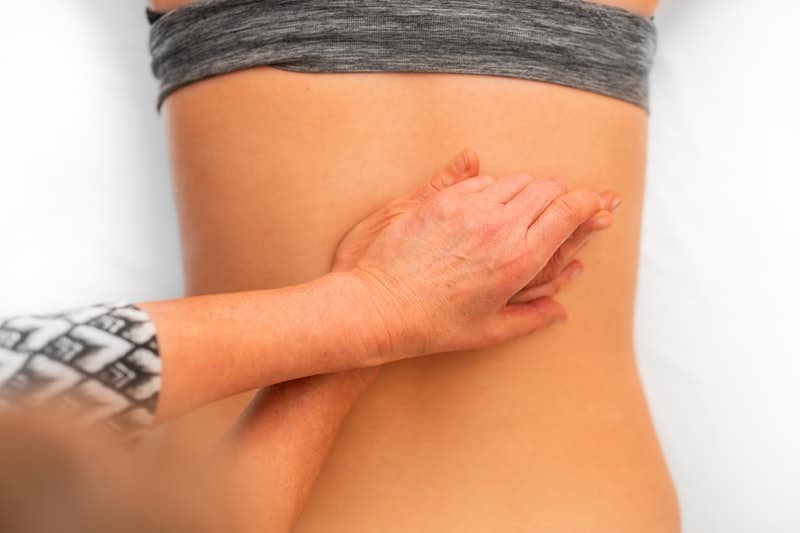
Lower Back Pain can affect comfort, mobility, balance, energy, and confidence with daily tasks. Most low back pain has no surgical cause. We treat load, sitting, and the Phoenix summer slump, in the house where you actually sit and lift. When symptoms begin to change how someone moves, cares for themselves, or manages routines, therapy can help identify practical next steps.
When it may be time to schedule an evaluation
If pain, weakness, dizziness, or stiffness is affecting safety, mobility, or independence.
If walking, stairs, transfers, bathing, cooking, or other daily activities are becoming harder to manage.
If you want a clear plan to rebuild function, prevent setbacks, and feel safer at home.
What a care plan may include
Body mechanics training
ADL modification
pain management techniques
Therapies that may be part of the plan
The most common call we get
Low back pain is the number one reason West Valley adults call us. It's also where the gap between what people are told and what actually helps is widest. Most low back pain has no structural cause that needs surgery. Disc bulges and degenerative changes on a scan are common in people with zero pain.
What usually drives it is a mix of load, position, and deconditioning. How long you sit. How you lift. How much you move in a week. And how the summer quietly shrinks your activity to almost nothing.
Why the Phoenix summer matters
From roughly May to September, walking outside gets impractical for most of the day. A lot of people lose their entire daily movement without noticing. Back pain that flares in August is often a conditioning problem wearing a structural costume. A good plan expects this and builds in an indoor option, rather than assuming a daily walk.
What we work on in your home
A home visit means we see the mattress, the recliner, the car seat, the office chair, the garage floor where you lift things. These positions make up most of your day. The plan usually combines graded movement that keeps you active, targeted strengthening for hips, trunk, and legs, real lifting and transfer technique, and pacing so a good day doesn't turn into three bad ones.
Pain relief is core occupational therapy work, not just physical therapy. Much of what we do targets back, shoulder, and leg pain so people can sleep, move, and get through the day comfortably again.
When to see a physician first
Numbness in the groin, loss of bladder or bowel control, leg weakness that's getting worse, unexplained weight loss, or fever need prompt medical attention, not therapy as a first step. Call your physician right away.
We watch you do the thing that hurts
A visit usually starts with you getting out of bed, sitting down at your desk, or picking up a laundry basket the way you'd pick it up with nobody watching. Back habits are automatic enough that most people can't describe their own until someone sees them do it.
From there we adjust what's adjustable. Chair height. Where the monitor sits. A mattress soft enough to be loading your back all night. Lifting technique for the laundry basket, the cooler, or the grandchild you're lifting, rather than a generic fifty-pound box. The movement plan gets built around a room in your house, so a 110-degree afternoon doesn't cost you a week of progress.
Related conditions
If you are comparing similar symptoms or nearby diagnoses, these pages can help you understand related treatment options.
Bulging Discs
A bulging disc on an MRI is common after 50, even with no pain. We treat what your back actually does, not the scare on the scan report.
Degenerative Disc Disease
Degenerative disc disease is a poor name for normal aging. Pain usually tracks with sitting, bending, and quiet weeks, which you can change.
Disc Herniation
Most herniated discs shrink on their own. Staying active, with the right movements, is usually the plan. Surgery is not the default.
Related articles
Practical information from our team to help you better understand this condition and treatment options.
Does Medicare Cover In-Home Occupational Therapy in Arizona?
August 18, 2026
Yes, and you probably don't need to be homebound to get it. Here's how Medicare Part B, home health, and Medicare Advantage differ for Arizona families.
Complex Regional Pain Syndrome (CRPS): When Your Nervous System Gets Its Wires Crossed
August 8, 2025
Complex Regional Pain Syndrome is a challenging pain condition often triggered by minor injuries, leading to disproportionate pain due to a malfunctioning nervous system. Learn about evidence-based management strategies including graded motor imagery and desensitization therapy.