How this can affect daily life
Rotator Cuff Impingement can affect comfort, mobility, balance, energy, and confidence with daily tasks. Pain in the middle of lifting your arm, a jacket, a top shelf, combing hair, is often a space problem under the shoulder, not raw weakness. When symptoms begin to change how someone moves, cares for themselves, or manages routines, therapy can help identify practical next steps.
When it may be time to schedule an evaluation
If pain, weakness, dizziness, or stiffness is affecting safety, mobility, or independence.
If walking, stairs, transfers, bathing, cooking, or other daily activities are becoming harder to manage.
If you want a clear plan to rebuild function, prevent setbacks, and feel safer at home.
What a care plan may include
Therapeutic exercise
activity modification
joint protection
ROM training
Therapies that may be part of the plan
The pinch that happens on the way up
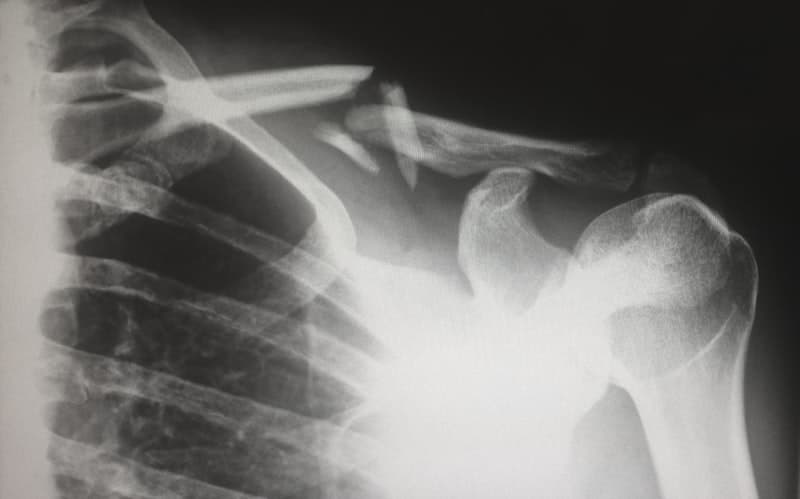
Rotator cuff impingement is what happens when tendons get squeezed in the small space under the point of your shoulder, usually as you lift your arm overhead. That's why the pain often shows up in a specific range, not the whole motion. Reaching for a top shelf. Putting on a jacket. Combing hair on one side. The middle of the movement hurts. The start and the end often don't.
What's pinching
Sometimes it's the shoulder blade not moving the way it should, changing the space available for the tendons to pass through. Sometimes it's posture, with rounded shoulders quietly narrowing that space all day, every day. Sometimes it's simple overuse from repetitive overhead work or sport. Figuring out which one applies to you changes what the plan focuses on.
Rebuilding the shoulder
Strengthening the muscles that stabilize the shoulder blade, since that's often the real fix, not just strengthening the shoulder itself. Posture correction, particularly for anyone doing long stretches at a desk or a phone. And mobility exercises to restore the full, pain-free range the shoulder should have.
Timeline for recovery
Most rotator cuff impingement improves steadily with the right program, without needing an injection or surgery. It takes consistency, usually six to twelve weeks, and it takes actually doing the exercises on the days it feels fine, not just the days it hurts.
Related conditions
If you are comparing similar symptoms or nearby diagnoses, these pages can help you understand related treatment options.
Ankle Injuries
Most ankle sprains heal. The balance your ankle lost often does not. In-home rehab retrains it on the driveway, gravel, and curbs you actually walk.
Arthritis
Moving less when a joint hurts usually backfires. In-home therapy finds the right daily dose of movement so arthritis pain doesn't run the day.
Bursitis
Bursitis turns ordinary motion, reaching overhead, rolling in bed, sitting too long, into a flare. We find the daily trigger and change it.
Related articles
Practical information from our team to help you better understand this condition and treatment options.
Does Medicare Cover In-Home Occupational Therapy in Arizona?
August 18, 2026
Yes, and you probably don't need to be homebound to get it. Here's how Medicare Part B, home health, and Medicare Advantage differ for Arizona families.
Complex Regional Pain Syndrome (CRPS): When Your Nervous System Gets Its Wires Crossed
August 8, 2025
Complex Regional Pain Syndrome is a challenging pain condition often triggered by minor injuries, leading to disproportionate pain due to a malfunctioning nervous system. Learn about evidence-based management strategies including graded motor imagery and desensitization therapy.