Developmental
Autism Spectrum Disorder (ASD)
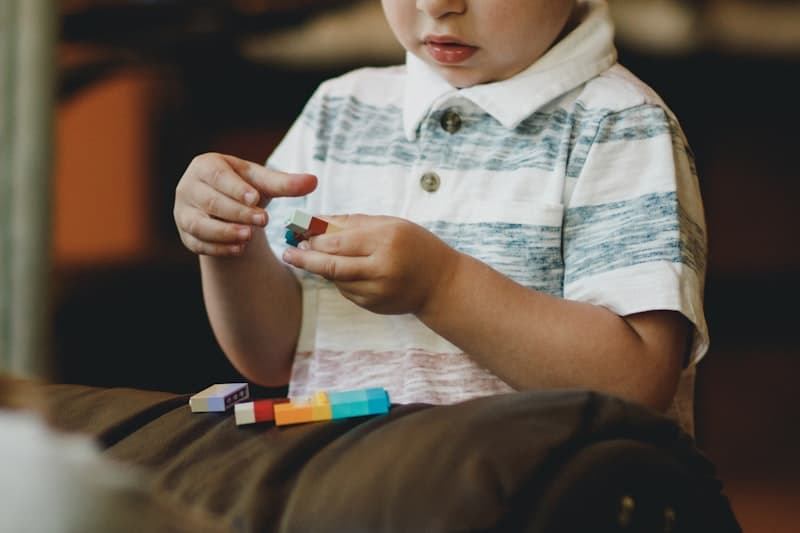
OT for autistic children builds the skills that make a day work: dressing, meals, sleep, transitions. We do that work in your home, not a waiting room.
OTSpeech
AVOLA Astros treats a wide range of pediatric conditions including ADHD, autism, cerebral palsy, developmental delays, and more through occupational and physical therapy.
21 conditions shown
OT for autistic children builds the skills that make a day work: dressing, meals, sleep, transitions. We do that work in your home, not a waiting room.
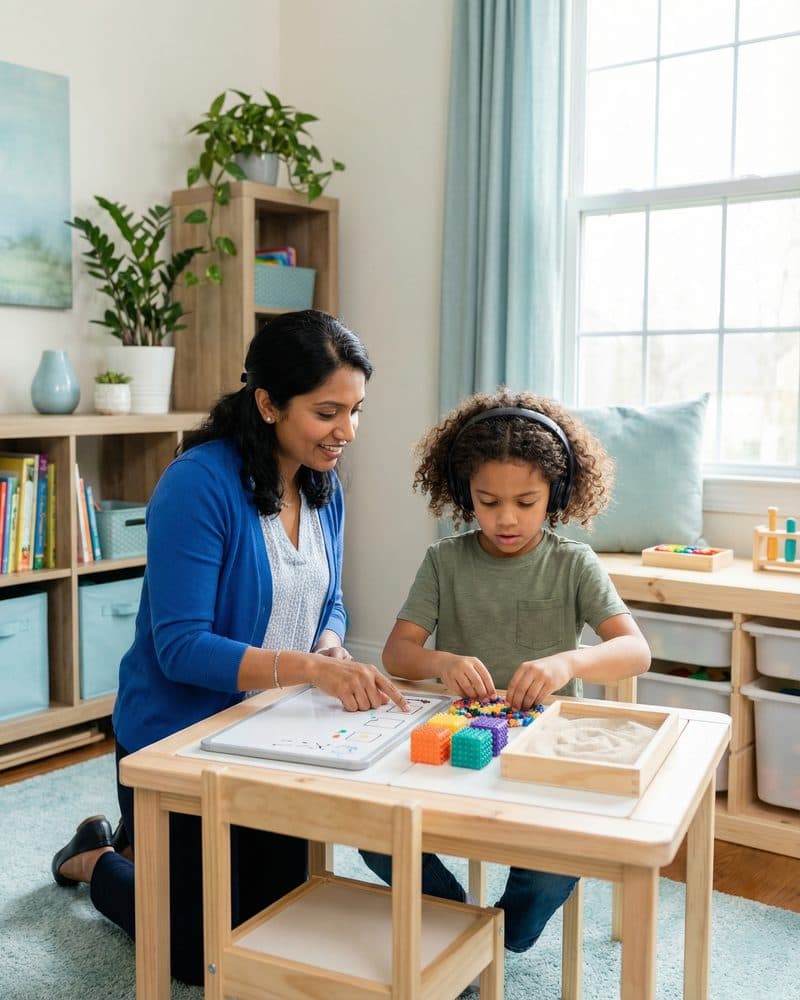
Kids with ADHD often know the steps. Starting them, sequencing them, and getting out the door is the hard part. We build that at home.
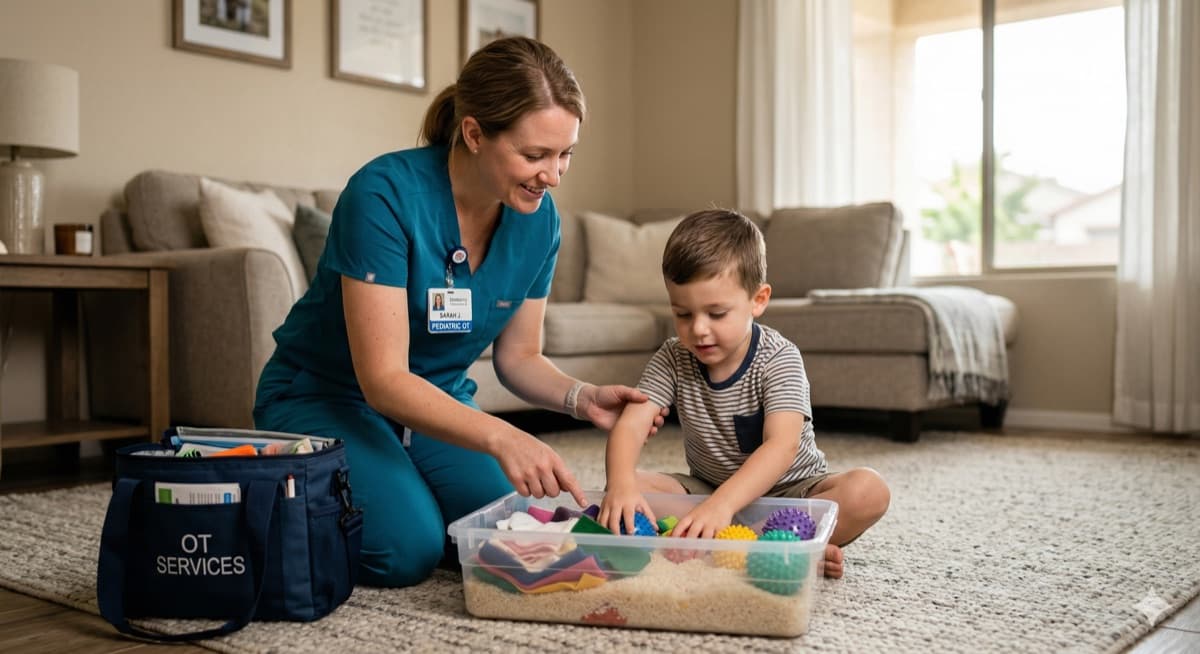
Meltdowns at haircuts, tags, noise, or meals are often sensory, not behavior. We build the plan in your actual bedroom, table, and bath.

A delay is not a life sentence. Early, play-based therapy in your home gives a child the best shot at catching up during the years that count.
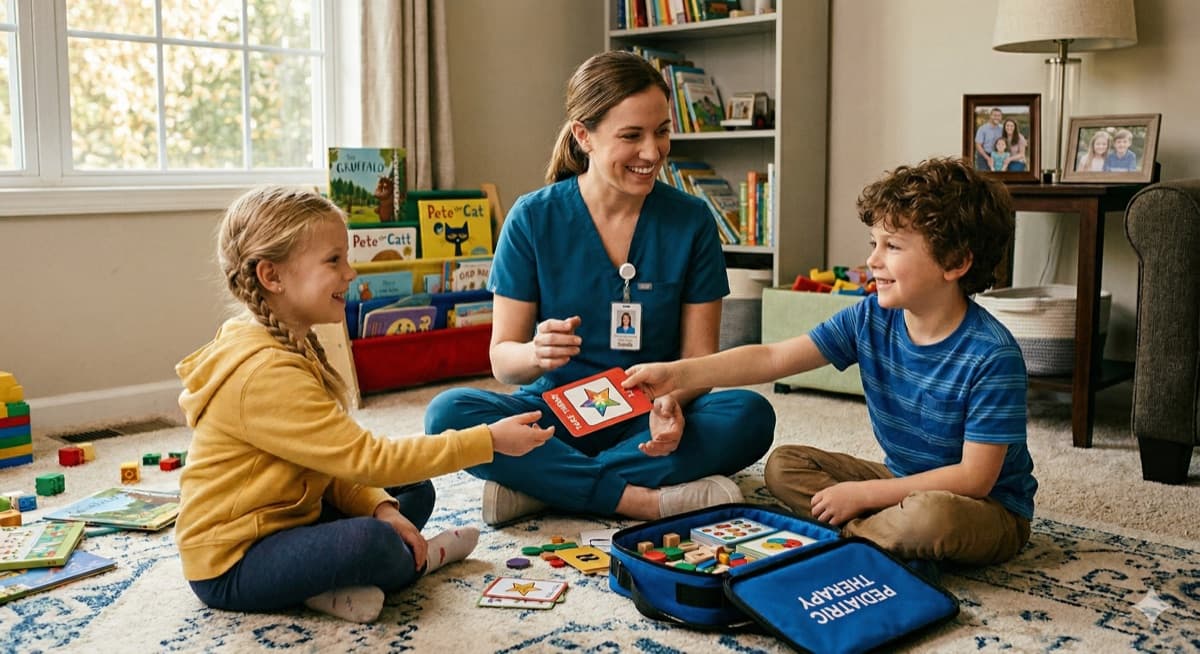
Friendship is a skill, not a personality trait. We teach reading a room, turn-taking, and staying regulated enough to use those skills.
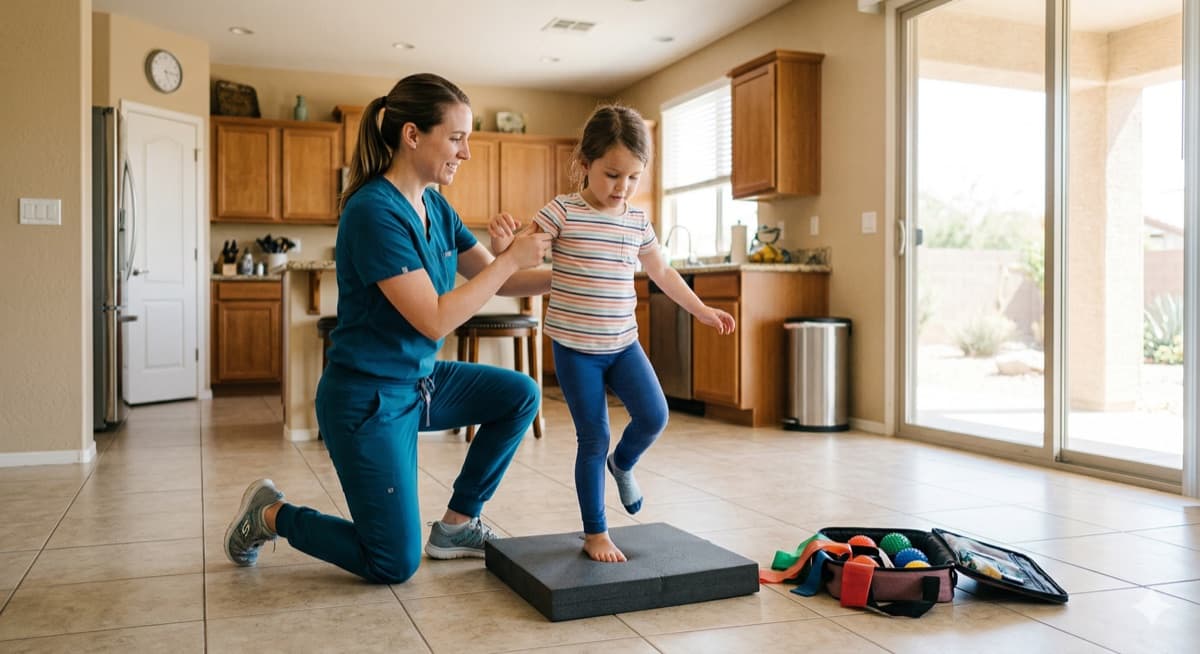
The kid who looks clumsy is usually working harder than everyone else just to stay upright. We build the strength and coordination underneath.
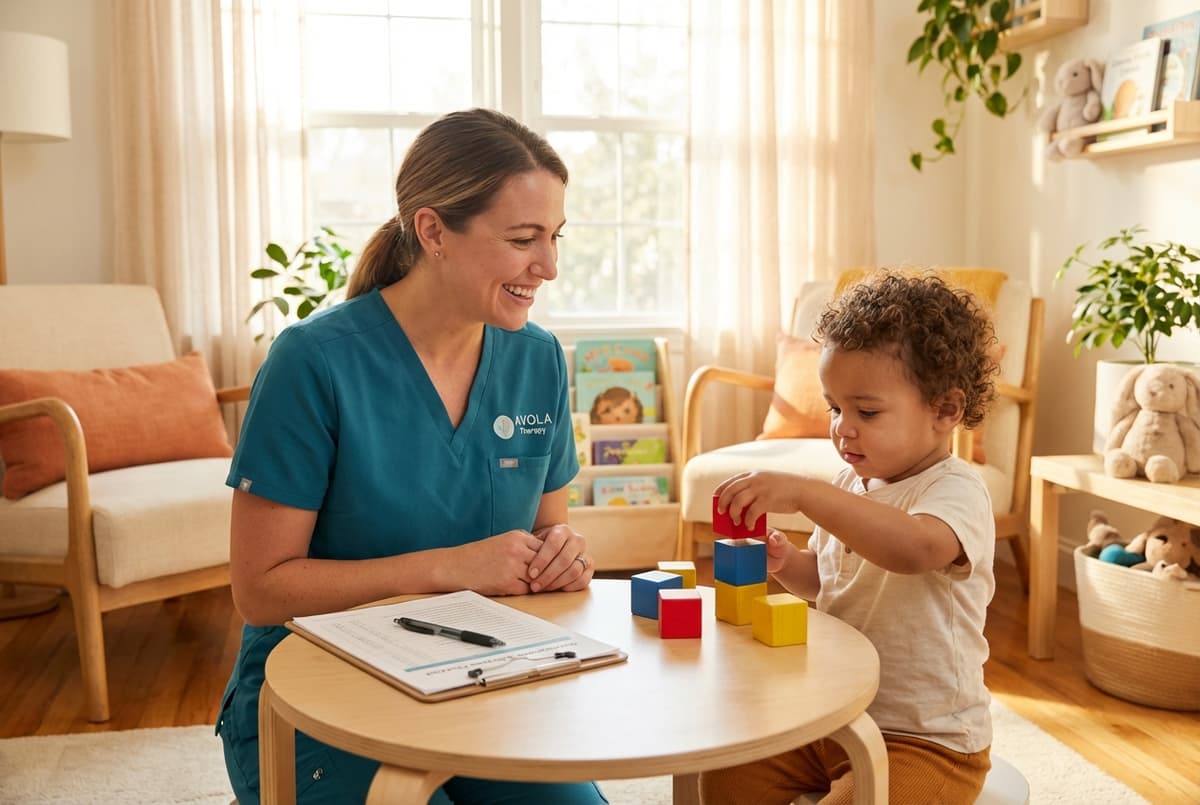
Not sure if it's a phase? A free developmental screening checks fine motor, sensory, self-care, and school-readiness skills from home.
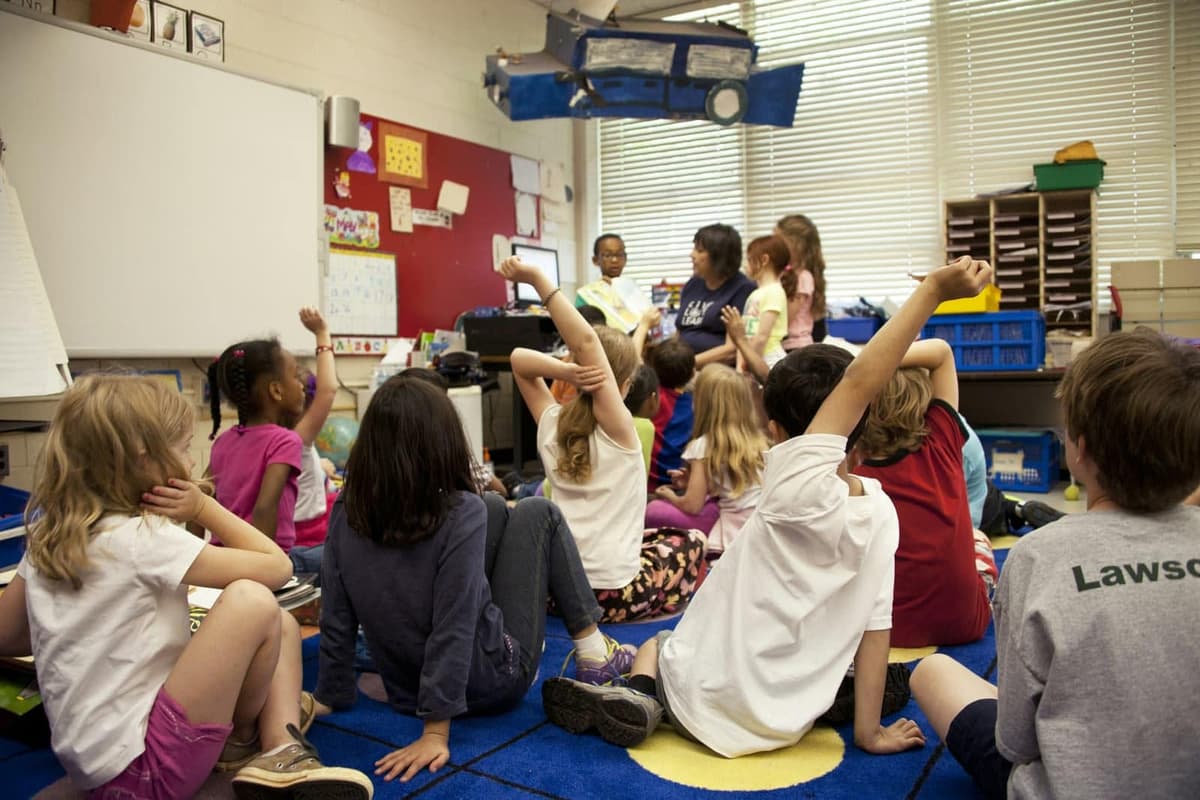
Kindergarten wants sitting, two-step directions, zippers, scissors, and waiting. We build those skills at your sink and table before the first day.

Messy handwriting is often weak hands, an awkward grasp, or eye-hand trouble, not laziness. We fix the cause so schoolwork can keep up.
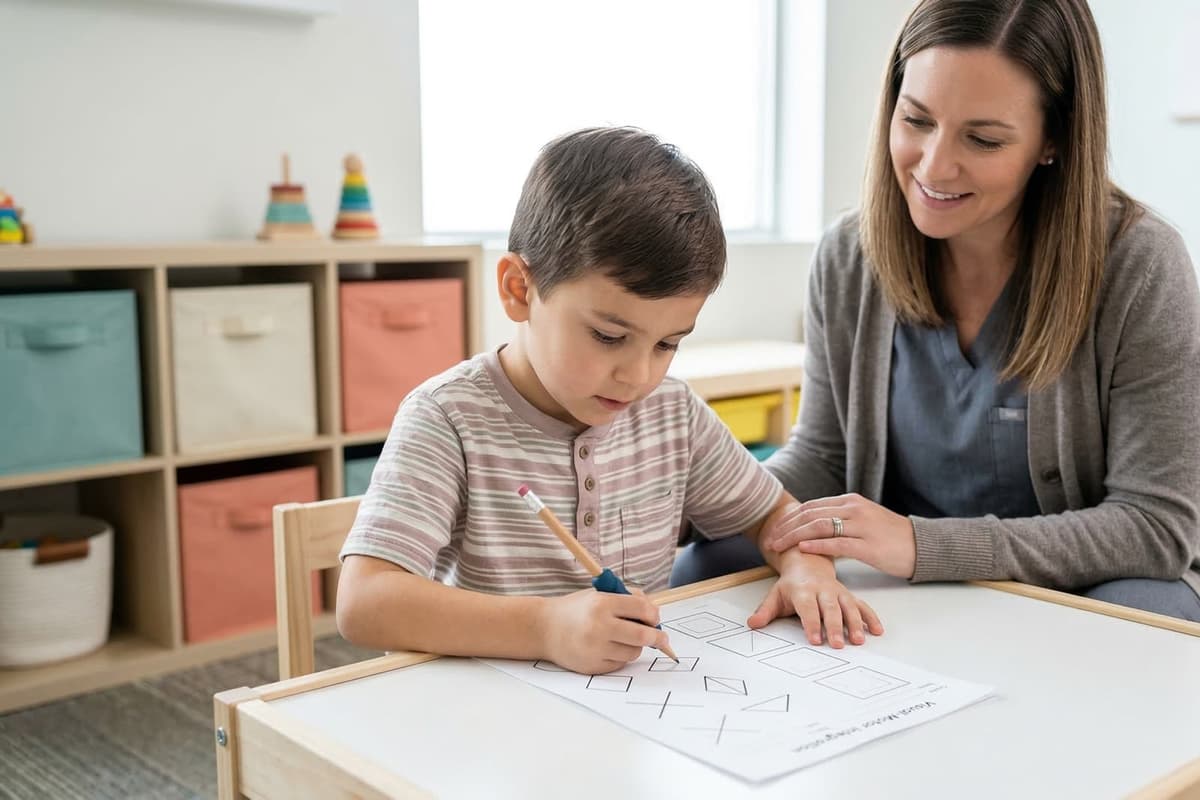
A child can see fine and still miss the line, the catch, or the copy-from-the-board task. We train the eye-hand connection underneath schoolwork.
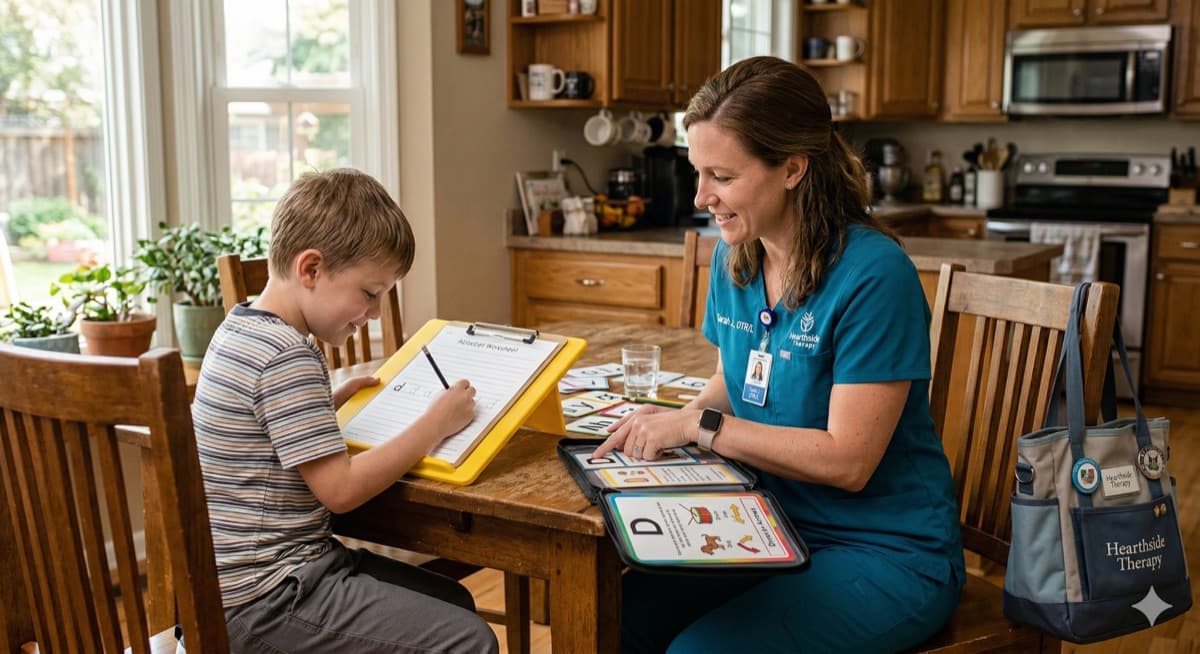
A learning disability is not about intelligence. Home OT supports the processing, writing, and organization skills school assumes kids already have.
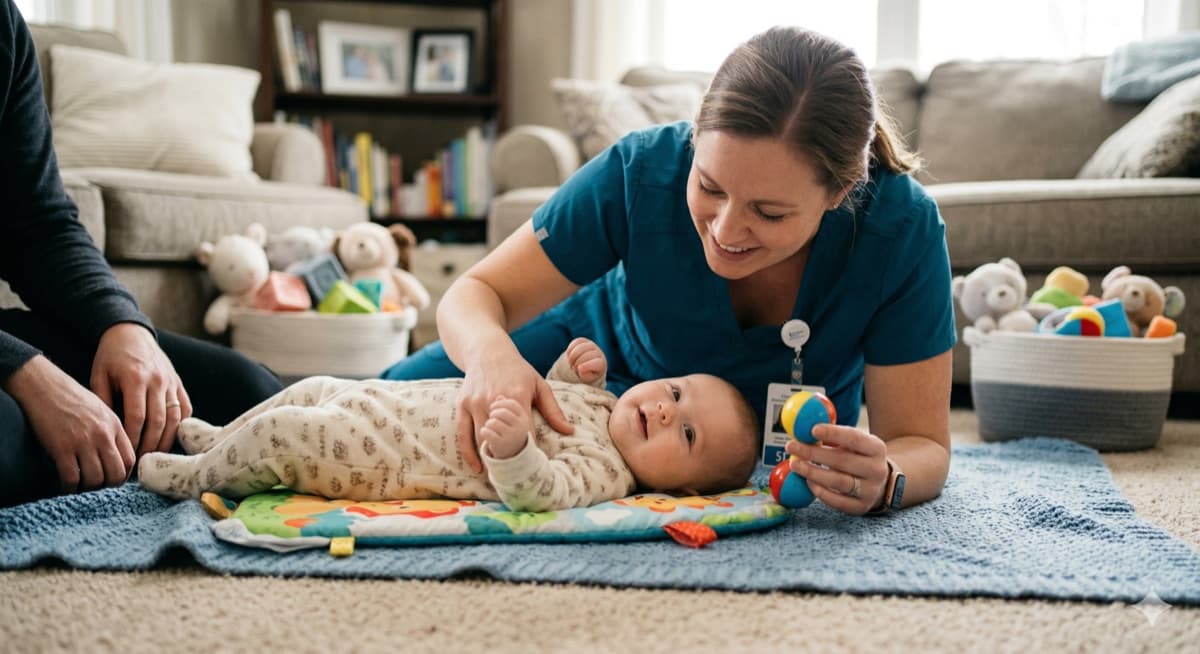
A baby who always tilts one way can affect skull shape, feeding, and vision. Gentle stretching and tummy time work best in the early months.
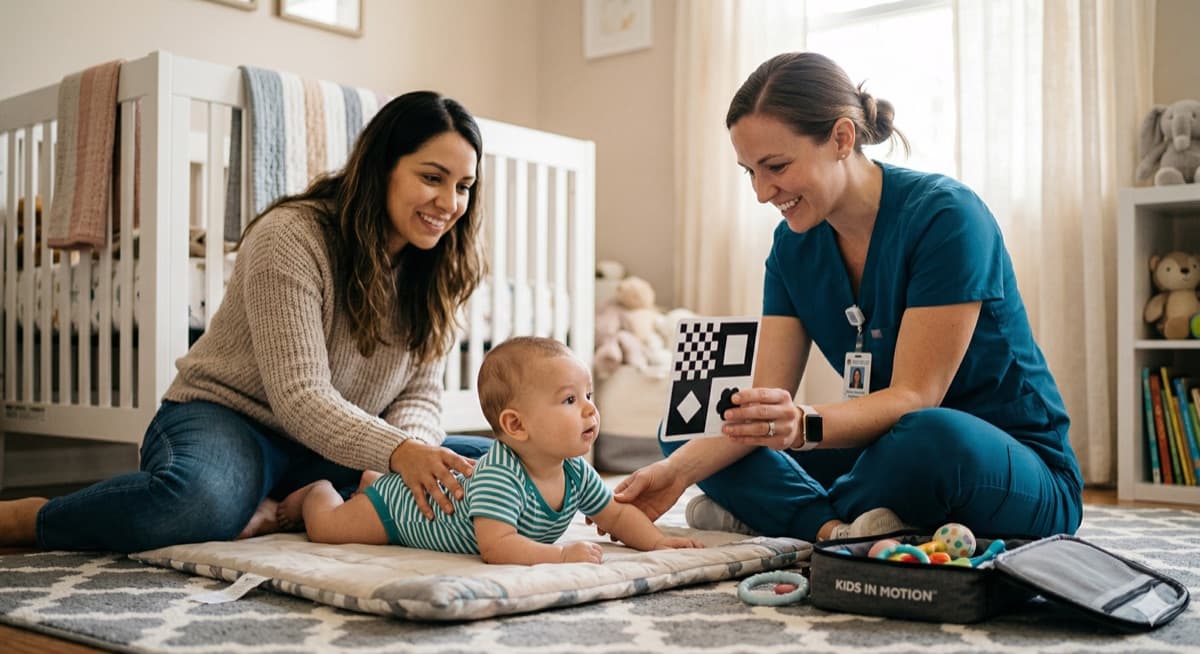
A flat spot on a baby's head is common and usually not dangerous. Early repositioning and tummy time, done in your crib and carrier, change the outcome.
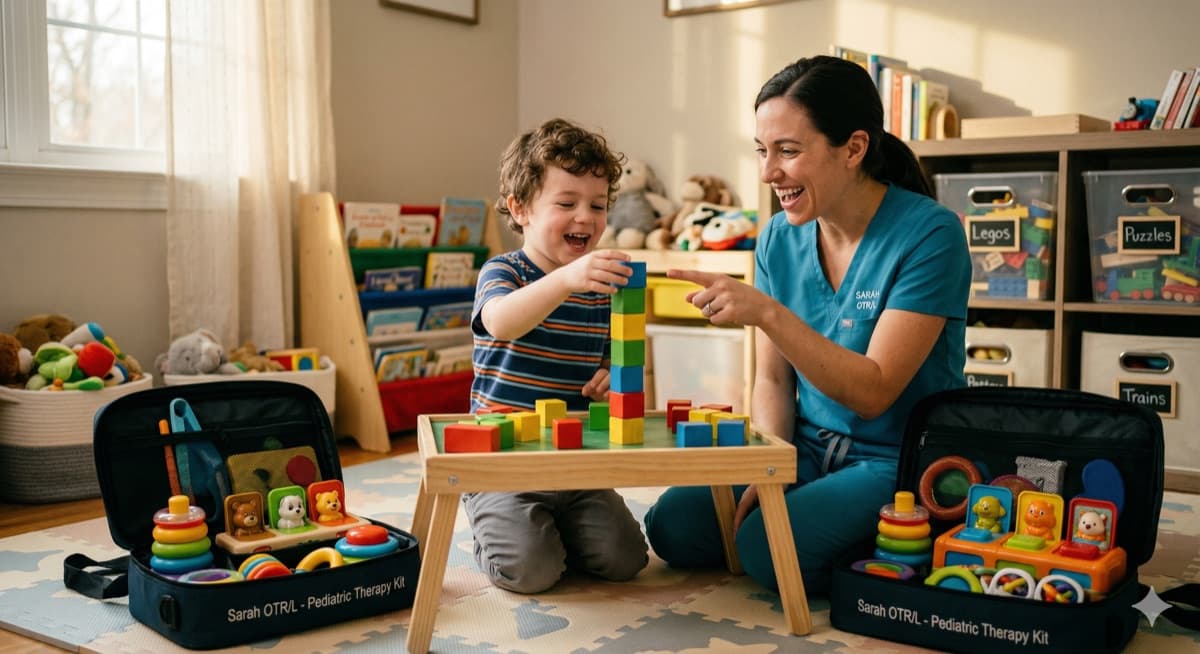
Play is how young children learn school and friendship later. If play is stuck, we get in the play with your child and expand it, at home.

Gagging, food refusal, and meals that end in tears are not ordinary picky eating. We find the cause and rebuild mealtime at your table.
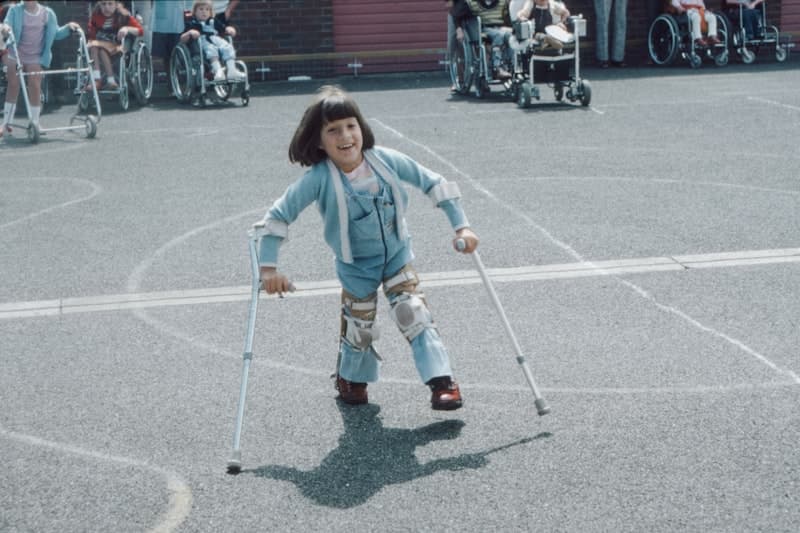
No two children with CP move the same way. We build the plan around what your child can do today, in the house they actually live in.

Kids with Down syndrome often learn visually and socially first. We use those strengths to build hand skills, self-care, and play at home.
Sit-up-straight reminders fade by noon. We retrain the habit and the desk, car seat, and chair that built it in the first place.

No two brain injuries recover the same way. We assess movement, memory, attention, and follow-through, then rebuild daily life at home and school.
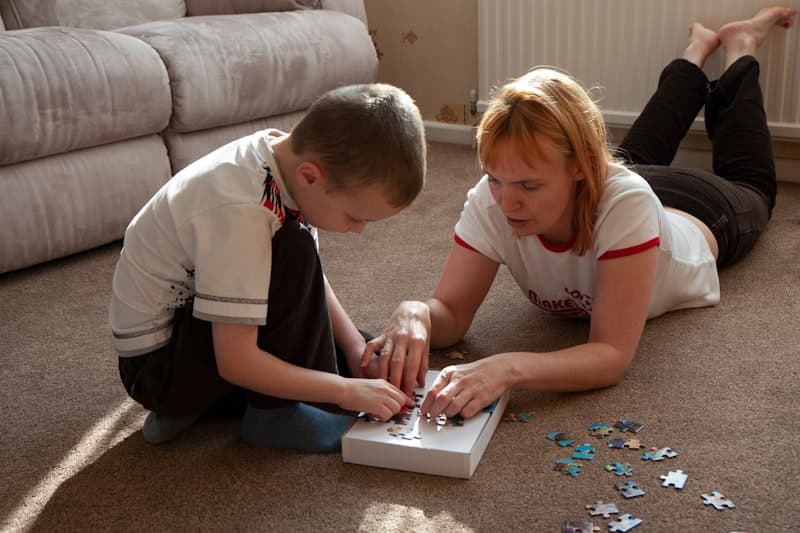
Therapy here builds the day: dressing, routines, communication, and a next step after school. We start from what already works.
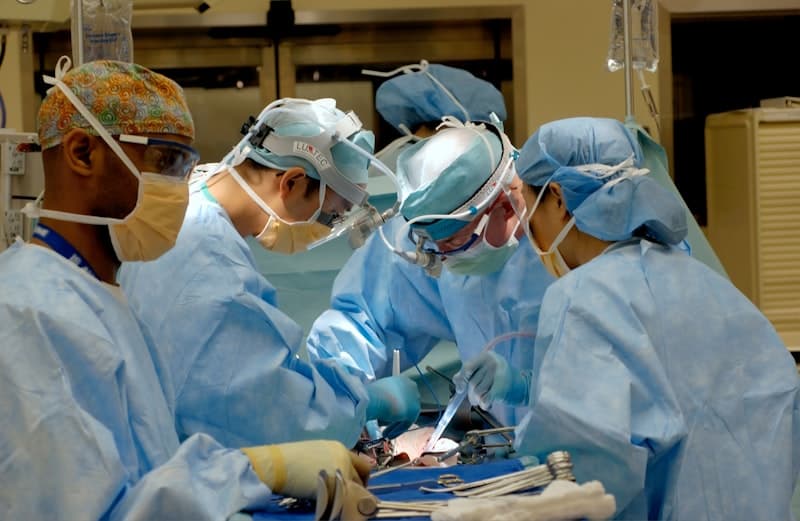
The operation is one day. Recovery is the weeks after. We come to the house when a car trip is hardest, so sessions don't slip.
Tell us what you're seeing at home, at school, or in daily routines, and we'll help you decide whether pediatric OT is the right next step.